
Lycurus phleoides
Lycurus phleoides
Description
Sowing dates
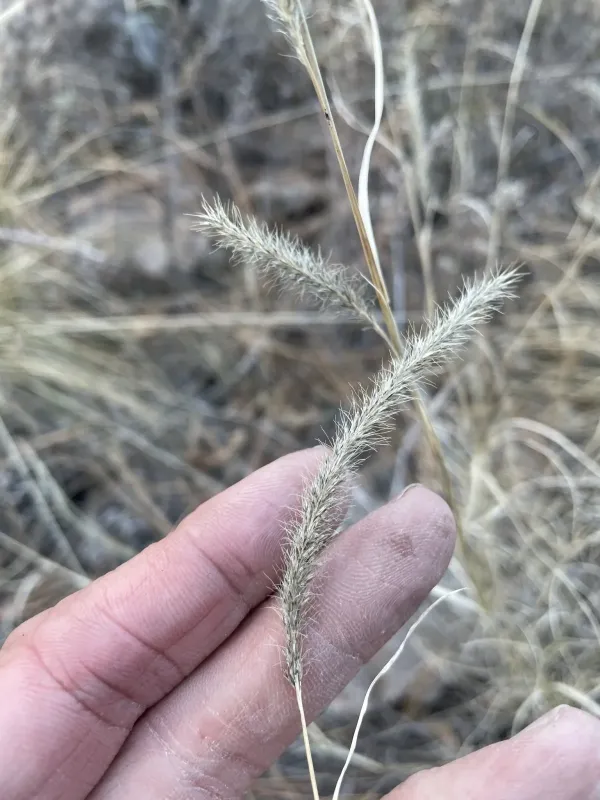
Lycurus phleoides, commonly known as wolfstail, is a perennial bunchgrass belonging to the Poaceae family. It is recognized for its ability to thrive in challenging environments where other grasses fail.
Seeding is typically performed during the spring season to capitalize on seasonal moisture, which is essential for successful germination and early development of the seedlings.
Due to the small size of the seeds, they should be sown at a shallow depth. Proper seedbed preparation is vital to ensure that the seeds are pressed into the soil to maintain consistent moisture contact.
The establishment phase requires patience, as the grass grows relatively slowly. Protecting the young plants from competition with aggressive weed species is critical during the first growing season.
Once established, the plant develops a robust, clumping growth habit. This structure is highly efficient at stabilizing soil and preventing wind and water erosion in vulnerable areas.
Growing requirements
The plant is native to the Americas, predominantly found in arid and semi-arid regions. It is highly adapted to climates characterized by significant seasonal fluctuations in temperature and rainfall.
Lycurus phleoides requires well-drained soils, thriving in rocky, sandy, or gravelly textures. It is intolerant of waterlogged conditions and heavy clay soils, which can lead to root rot.
Regarding climate, this species prefers sites with full sun exposure. It displays excellent drought tolerance, allowing it to maintain metabolic functions even during prolonged dry spells.
Nutrient requirements are generally low, as the plant is adapted to native, less fertile soil conditions. However, modest fertilization can enhance biomass production in managed agricultural settings.
The plant demonstrates a remarkable capacity for temperature adaptation, being able to survive intense summer heat and cold winter periods within its natural geographic range.
Main diseases and pests
The primary threat to Lycurus phleoides populations is overgrazing. Excessive consumption prevents the plant from replenishing its energy reserves stored in the roots, eventually leading to mortality.
Fungal pathogens such as rusts can affect the leaves during periods of high humidity. These infections reduce the photosynthetic area and lower the quality of the forage for livestock.
Insect pests, including various species of grasshoppers and stem-boring insects, can cause localized damage, particularly during periods of environmental stress that weaken the plant's natural defenses.
Invasive non-native weeds pose a significant threat by outcompeting native bunches for space and resources, especially in pastures that have been poorly managed or over-cultivated.
Maintaining a sustainable grazing rotation is the most effective strategy to mitigate threats and ensure the longevity and productivity of the grasslands where this species grows.