
Lunularia cruciata
Lunularia cruciata
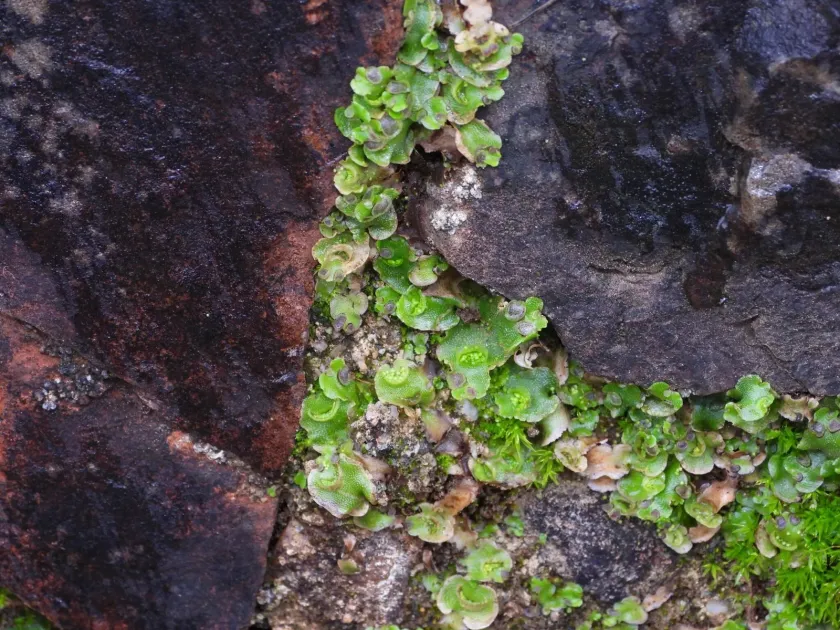
Description
Growing requirements
Lunularia cruciata is a species of liverwort in the family Lunulariaceae. While not a conventional agricultural crop, it is a significant plant in horticulture and experimental botany, often acting as a bioindicator in greenhouse environments and humid nursery settings.
This liverwort thrives in environments with high humidity and consistent moisture. It naturally inhabits damp, shaded areas, such as the sides of stone walls, wet soil, or forest floors, where it avoids direct solar radiation that causes rapid desiccation of the thallus.
In terms of soil and substrate requirements, it prefers a neutral to slightly alkaline pH. For successful development, growers utilize substrates with high organic content, such as peat-based mixtures or vermiculite, which allow for constant moisture retention without becoming waterlogged.
The optimal temperature range for Lunularia cruciata is between 15°C and 22°C. It is highly sensitive to thermal fluctuations, and exposure to temperatures exceeding 25°C for extended periods can induce dormancy or irreversible damage to the photosynthetic tissues of the thallus.
Botanically, the plant consists of a flat, green thallus with dichotomous branching. Its most distinct feature is the presence of crescent-shaped gemmae cups, which facilitate efficient vegetative reproduction by producing gemmae that are dispersed by water droplets.
Main diseases and pests
The primary threats to Lunularia cruciata colonies include poor ventilation and excessive moisture stagnation, which encourage the growth of pathogenic fungi. These molds can outcompete the liverwort and lead to the degradation of the plant's delicate surface structure.
Fungus gnats (Sciaridae) are the most significant pests. Their larvae feed on the moist, nutrient-rich substrate and may occasionally browse on the underside of the thallus, weakening the plant and creating infection points for secondary bacterial diseases.
Chemical stress is a major risk factor. Lunularia is highly intolerant to many standard pesticides and high concentrations of chlorine or minerals found in tap water. Such substances can quickly burn the edges of the thallus and halt all growth processes.
Competition from algae is a frequent issue in greenhouse settings. Excessive light combined with high fertility can cause algal blooms on the substrate surface, which effectively smother the liverwort and block the light required for its photosynthesis.
Effective management requires strict control of the microclimate. Ensuring good air movement and using distilled or filtered water for irrigation are the most reliable methods for maintaining healthy, vigorous patches of this liverwort species.