
Luetzelburgia guaissara
Luetzelburgia guaissara
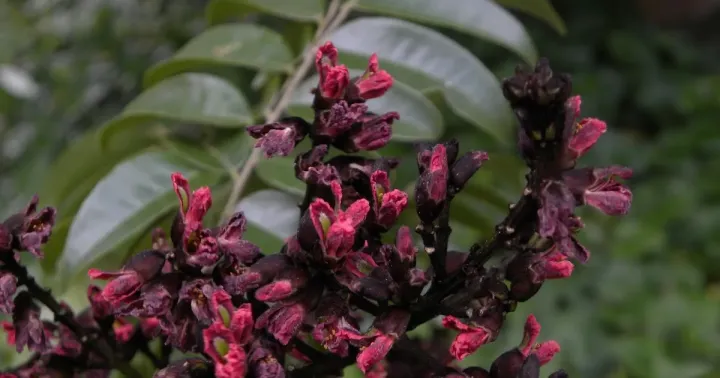
Description
Growing requirements
Luetzelburgia guaissara is a notable tree species belonging to the legume family (Fabaceae). Native to the tropical regions of Brazil, this tree is well-adapted to warm climates and thrives in ecosystems where environmental conditions remain relatively stable throughout the year.
The tree requires well-drained, nutrient-rich soils to reach its full growth potential. While it can survive in various types of terrain, it performs best in deep, fertile soils that allow for extensive root development without the risk of waterlogging, which the plant is highly sensitive to.
Temperature is a key factor for this species; it requires a warm environment typically ranging from 20 to 30 degrees Celsius. It lacks cold tolerance, making it unsuitable for cultivation in regions prone to frost or significant temperature drops during the winter months.
Light exposure is vital for the tree's health. In its early stages, it appreciates filtered sunlight, but as it matures, it demands full exposure to direct sun to stimulate biomass production and wood density. Proper spacing is essential in plantation forestry to manage light competition.
Agrotechnical practices include maintaining soil moisture levels during the establishment phase and protecting young trees from wind damage. As a legume, it benefits from soil management practices that preserve native soil biota, supporting its natural nitrogen-fixing capabilities.
Yield
The primary economic focus for Luetzelburgia guaissara is the production of premium-quality timber. The wood is highly regarded in the industry for its hardness, aesthetic texture, and resistance to environmental degradation, making it a sought-after material for fine carpentry.
Beyond its wood yield, the tree provides significant environmental benefits through nitrogen fixation. By improving soil fertility, it serves as an excellent candidate for agroforestry systems, where it can be intercropped with other species to boost overall land productivity.
The harvest cycle for this species is long-term, which requires careful financial and management planning. However, the high market value of the timber produced by mature specimens makes it an attractive option for sustainable forestry projects focusing on high-value resources.
The biomass generated by the tree's foliage also contributes to the nutrient cycle within the forest floor. Through leaf litter decomposition, it naturally adds organic matter to the topsoil, assisting in the sustainable maintenance of the plantation site.
Modern efforts to cultivate this species are increasingly focused on preserving the genetic material of the tree. By establishing dedicated plantations, growers are ensuring a stable supply of this unique resource while simultaneously supporting biodiversity conservation initiatives.
Main diseases and pests
Fungal diseases related to root health are the primary threat to Luetzelburgia guaissara, often triggered by poor site drainage. If the soil remains saturated for extended periods, it fosters pathogen growth that can compromise the structural integrity of the root system.
Insect pests, particularly wood-boring beetles, represent a significant threat to the quality of the timber. Regular health monitoring is essential in plantations to detect early signs of infestation and prevent large-scale damage to the stems and branches of the trees.
Defoliating insects can occasionally pose a risk to younger plants or newly established plantations. While these threats are usually manageable, persistent monitoring is required to implement biological control strategies and minimize the need for heavy chemical intervention.
Mechanical damage to the trunk or bark during forest maintenance operations acts as a gateway for opportunistic infections. Ensuring that maintenance activities are performed carefully is crucial for the long-term health and productivity of the trees.
Integrated pest management (IPM) is the most effective approach for this crop. By maintaining optimal planting density, ensuring good soil drainage, and promoting natural predators, growers can maintain a healthy, productive grove with minimal reliance on synthetic pesticides.