
Loxopterygium huasango
Loxopterygium huasango
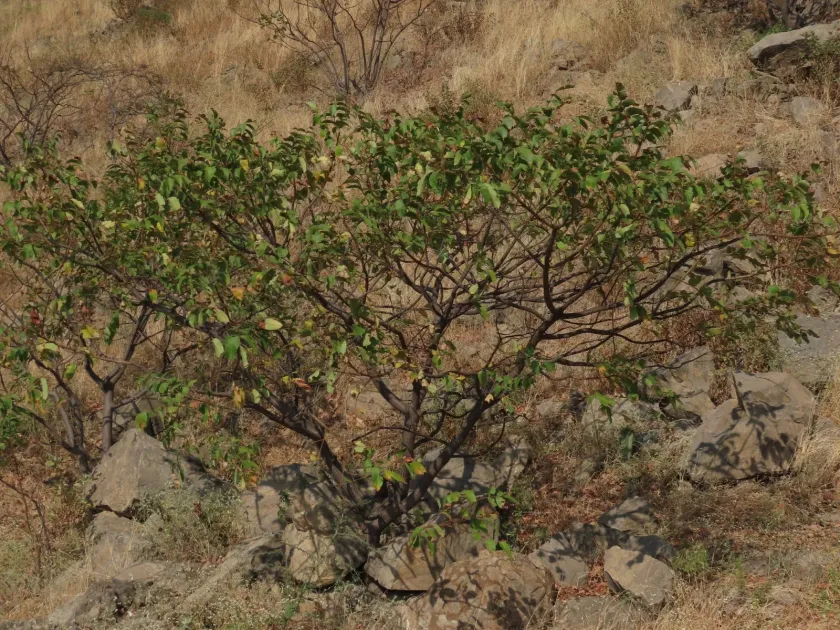
Description
Sowing dates
Loxopterygium huasango is a specialized forest tree that is not typically grown as an annual agricultural crop. Propagation is achieved primarily through seeds, which require careful handling due to their short viability period.
Seeds should be planted in nursery containers immediately after collection, using a well-draining potting medium. This ensures that the seeds germinate before their physiological dormancy or decay sets in.
The optimal time for sowing is the beginning of the rainy season. This timing aligns with natural cycles, providing the seedlings with the necessary moisture to establish a strong root system during their first months.
Seedlings need partial shade during the earliest developmental stages to protect them from intense tropical heat. As they mature, gradual exposure to full sunlight helps harden the young plants for future field transplantation.
Care must be taken to ensure that seedlings are not crowded in the nursery, as high plant density can lead to etiolation and increased susceptibility to fungal diseases.
Growing requirements
This species belongs to the Anacardiaceae family and is native to the dry tropical forests of South America, particularly in regions where environmental conditions are quite harsh for most vegetation.
The tree thrives in light, porous, and well-draining soils. It is particularly well-adapted to rocky or sandy terrain, making it an excellent candidate for slope stabilization and land restoration projects.
Loxopterygium huasango is highly light-demanding. It requires open areas with full sun exposure to maintain its growth rate and develop the characteristic structural density of its wood.
The climate must be equatorial, featuring a distinct dry season. The species exhibits remarkable drought tolerance, which is one of its primary evolutionary advantages in its native habitat.
In terms of cultivation management, minimal interference is preferred. Ensuring the prevention of soil compaction and avoiding excessive moisture in the root zone are the most critical factors for successful long-term survival.
Yield
The economic value of this tree is derived primarily from its dense, durable wood and its medicinal bark. It serves as a valuable resource in local building and furniture industries.
The bark is harvested for traditional pharmacological use, containing active compounds that are highly valued in regional medicine. Sustainable harvesting techniques are necessary to maintain the health of the trees.
Timber yield is accumulated slowly over several decades. Because it is a slow-growing species, sustainable plantation management must be planned with a long-term economic horizon.
The wood quality is characterized by high resistance to decay and insects, which adds significant value to the harvested logs compared to faster-growing but softer timber species.
Strategic management of plantation stands can optimize growth rates, though maintaining the high chemical quality of the bark requires avoiding overly intensive fertilization regimes.
Main diseases and pests
Habitat loss due to land-use change remains the primary threat to natural stands of Loxopterygium huasango. Deforestation limits the species' ability to naturally regenerate and maintain genetic diversity.
Pests such as stem-boring insects can cause damage, particularly in stressed or mature trees. These infestations are often exacerbated by extended periods of drought that weaken the tree's chemical defense system.
Fungal infections can become a major concern in nursery settings if drainage is poor or if aeration is insufficient. These pathogens often target the roots, leading to the collapse of young seedlings.
Mechanical injuries to the bark, often caused by improper harvesting methods, provide entry points for pathogens and wood-rotting organisms, eventually leading to structural degradation.
Climate instability represents a growing threat, as shifting weather patterns might interfere with the tree's natural cycle of drought-induced dormancy and subsequent rapid growth during rainy phases.