
Brisbane box
Lophostemon confertus (R. Br.) Peter G. Wilson & J. T. Waterh.
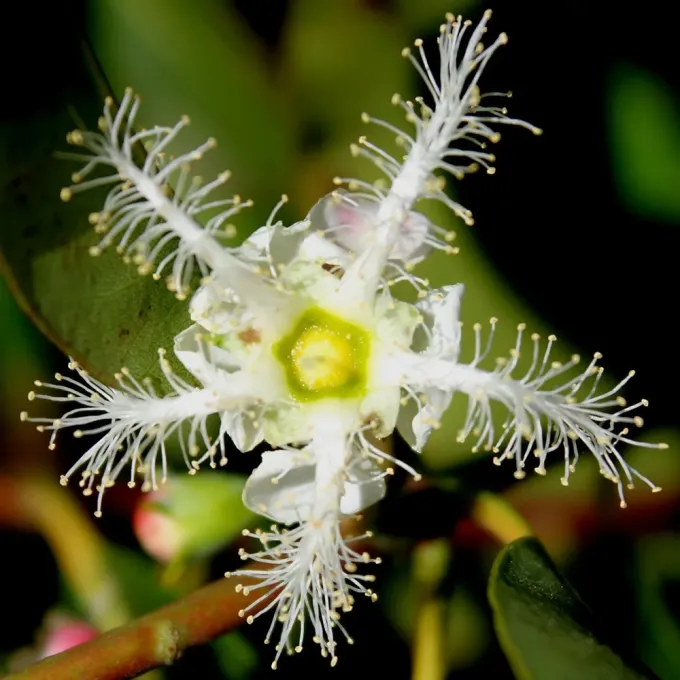
Description
Sowing dates
Propagation of Lophostemon confertus is typically conducted via seeds or cuttings within specialized nursery facilities to ensure high survival rates.
Seeds are sown in a well-draining, peat-based mix, maintaining consistent moisture levels and temperatures between 20°C and 25°C for successful germination.
Spring is considered the optimal season for sowing, as the increasing day length supports the rapid establishment of the root system in young seedlings.
For cuttings, semi-hardwood material is treated with rooting hormones and kept under misting systems to prevent dehydration during the rooting process.
Young plants are kept in containers until they reach a robust size, ensuring they have sufficient strength to withstand transplanting into their final site.
Growing requirements
As a member of the Myrtaceae family, the Brisbane box is native to the coastal regions of eastern Australia, thriving in temperate and subtropical climates.
The species is highly versatile regarding soil types, although it performs best in deep, fertile, and slightly acidic soils with excellent drainage properties.
Full sun exposure is preferred for optimal crown density, though the tree exhibits a degree of shade tolerance during its early years of growth.
Regular irrigation is essential for young trees to promote rapid growth, whereas established trees are known for their moderate drought resistance.
Temperature management is a key factor, as the species prefers mild climates and requires protection from heavy frosts, which can damage juvenile foliage.
Main diseases and pests
Root rot caused by Phytophthora species is a major threat, particularly in poorly drained soils or areas prone to waterlogging during heavy rain periods.
Powdery mildew may occur on the leaves if humidity levels are high and air circulation through the canopy is restricted by overcrowding of planting.
Pest issues often involve infestations by scale insects or leaf-feeding caterpillars that can cause significant aesthetic damage if left unmanaged.
Effective pest management involves early detection and the use of horticultural oils, which are often sufficient to control scale without harsh chemicals.
Maintaining a clear space around the trunk and regular canopy thinning are vital practices to ensure the tree remains healthy and resistant to diseases.
Harvesting
The Brisbane box is widely utilized in urban forestry due to its structural strength and high tolerance for the stresses of city environments.
Its timber is recognized for its density, hardness, and durability, making it a valuable material for structural applications and high-quality flooring.
In landscaping, the tree is prized for its dense, rounded canopy, which provides substantial shade and serves as an effective windbreak in exposed locations.
The tree requires minimal pruning to maintain its natural, attractive shape, although periodic canopy lifting is common in street tree applications.
Harvesting for seed production occurs once the woody fruit capsules mature and start to open, typically following the peak of the flowering season.