
Mexican twist
Lophospermum erubescens x Maurandya barclayana
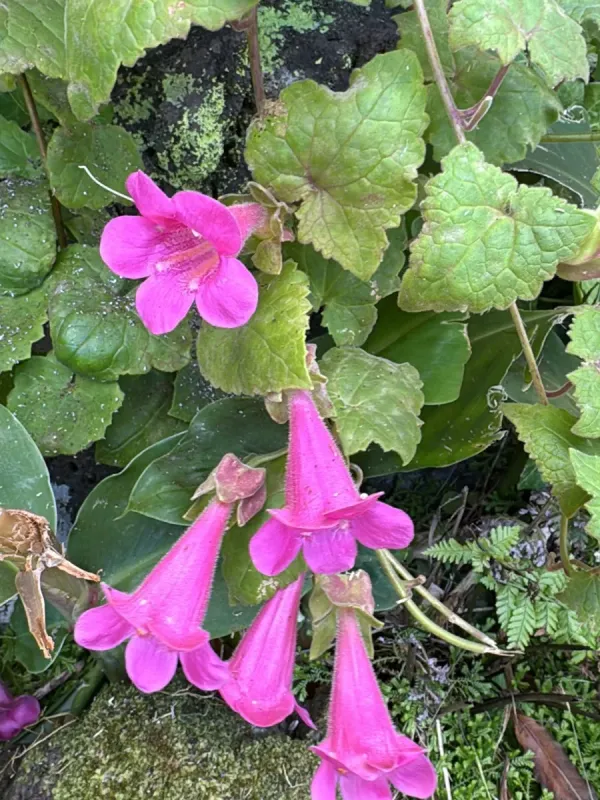
Description
Sowing dates
Sowing seeds of the Mexican twist should be started indoors in late winter, ideally from February to mid-March. This early start ensures the plant has sufficient time to reach its maturity and produce flowers during the summer season.
Use a sterile, well-draining seed-starting mix. Place the seeds on the surface of the soil, pressing them gently, as they require light to germinate effectively. Do not bury them deeply.
Maintain consistent humidity by covering the pots with a clear plastic dome or bag. Keep the germination environment at a steady temperature of approximately 20 to 22 degrees Celsius.
Once the seedlings develop their first true leaves, transplant them into individual pots to encourage stronger root development. Ensure they receive plenty of bright, indirect light during this phase.
Hardening off the plants for at least two weeks before transplanting them outside is vital for their survival. This process helps them adapt to direct sun and changing outdoor temperatures.
Growing requirements
The Mexican twist thrives in full sun exposure. While it tolerates partial shade, maximum flowering intensity is achieved when the vine receives at least six to eight hours of direct sunlight.
Well-draining, fertile soil is a strict requirement for this species. If the soil is too heavy, incorporate organic matter or grit to improve aeration and prevent root rot.
Consistent moisture is essential for active growth. Water the plants whenever the top inch of soil feels dry, but be careful never to leave the roots standing in waterlogged soil.
Providing a sturdy trellis or support structure is mandatory. The plant uses its leaf stalks to climb, so the support should have a texture that allows for easy grasping and vertical ascent.
Feed the plant with a balanced liquid fertilizer every two weeks during the growing season. High-phosphorus formulations can be used as the plant matures to promote more prolific blooming.
Main diseases and pests
Aphids are the most common pest, typically clustering on tender new growth. Use insecticidal soaps or neem oil to manage infestations without harming the plant's delicate foliage.
Spider mites can be a significant threat during periods of extreme heat and low humidity. Regularly misting the foliage or ensuring proper hydration helps prevent mite colonization.
Fungal diseases like powdery mildew or gray mold may appear if air circulation is restricted. Pruning excess foliage and maintaining space between plants is a highly effective prevention strategy.
Root rot is the primary danger when soil drainage is poor or irrigation is excessive. Always prioritize the health of the root system by monitoring soil moisture levels carefully.
Nutrient deficiencies, particularly iron or magnesium, may cause yellowing of the leaves. Use chelated fertilizers if soil analysis indicates a specific micronutrient lack in the substrate.