
Alpine azalea
Loiseleuria procumbens
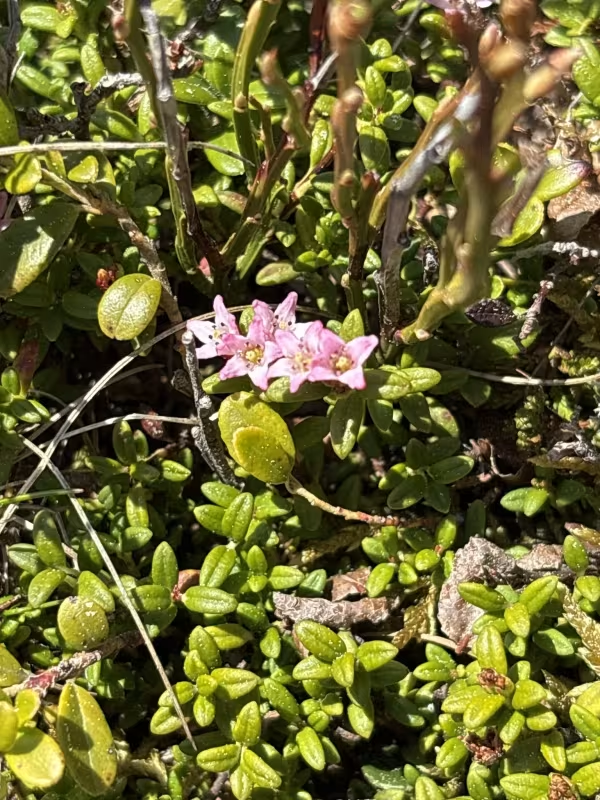
Description
Growing requirements
Alpine azalea (Loiseleuria procumbens) is a prostrate, evergreen shrub belonging to the Ericaceae family. It is naturally found in arctic and alpine tundra regions throughout the Northern Hemisphere, adapting to harsh, cold environments.
The cultivation of this species requires specific edaphic conditions, primarily acidic soils with low nutrient content and excellent drainage. It struggles in heavy clay or alkaline conditions, which can lead to iron chlorosis and rapid decline.
Successful growth relies on maintaining a consistent level of soil moisture while avoiding waterlogging. A mixture of peat, sand, and fine grit is generally recommended for potting or garden beds to mimic their native rocky habitat.
Regarding climate, the plant prefers cool, humid summers and exposure to light, as it is intolerant of intense, direct heat. Protection from drying winds is essential to prevent physiological drought in winter and summer.
In landscape use, it is prized as a ground cover for rock gardens and alpine displays, where its dense, mat-forming growth habit creates an attractive visual impact during the flowering season.
Main diseases and pests
Fungal pathogens are the most common threats to Loiseleuria procumbens, typically emerging when poor drainage or high humidity around the canopy limits air circulation.
Spider mites are potential pests, especially in environments where the air is too dry. Maintaining proper humidity levels is the best defense against these infestations.
Root rot, often caused by overwatering or the use of heavy, non-aerated substrates, represents a lethal threat, as the plant's delicate root system requires significant oxygen.
Competition from more aggressive, fast-growing plants can easily overwhelm this slow-growing shrub, necessitating careful site selection and ongoing weeding efforts.
The use of acidic organic mulch, such as pine needles, can suppress weeds and help maintain the essential acidity of the rhizosphere, effectively reducing the risk of nutrient deficiency and pathogenic stress.