
Lithospermum zollingeri
Lithospermum zollingeri
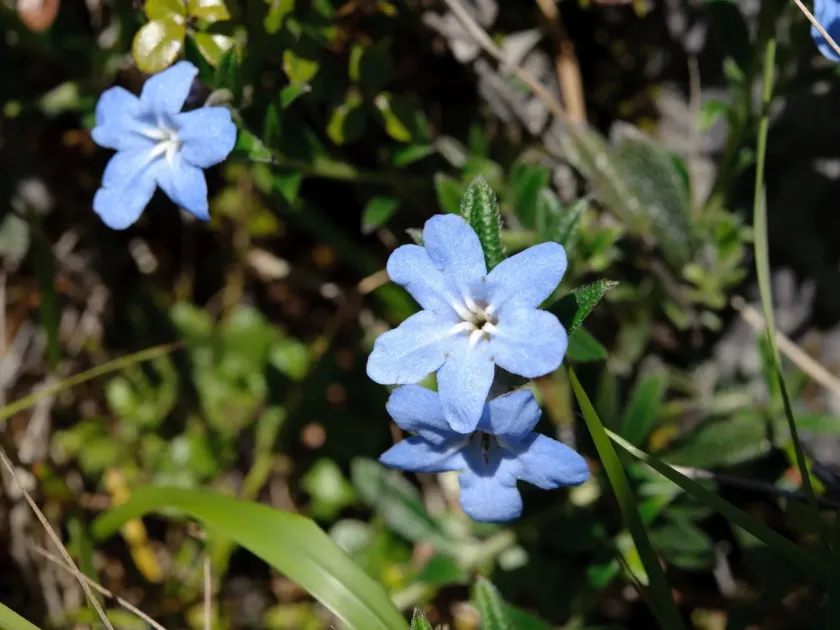
Description
Sowing dates
Lithospermum zollingeri, a member of the Boraginaceae family, is a herbaceous perennial native to the temperate regions of East Asia. This species is known for its resilience and specific environmental adaptations characteristic of rocky, well-drained habitats.
The seeds of this crop typically possess deep dormancy. To achieve reliable germination, seeds must undergo cold stratification for several weeks before sowing. Autumn sowing in outdoor conditions is often the most successful method for breaking this dormancy naturally.
When sowing in spring, seeds require pretreatment under cool, moist conditions. The soil must be fine-textured to ensure optimal contact with the seed coat, while the seeding depth should be maintained at approximately 1-2 centimeters.
Once germinated, the seedlings should be left undisturbed as much as possible due to the plant's taproot system, which is sensitive to transplant shock. Providing adequate spacing allows for proper air circulation and minimizes competition.
Establishment of the crop requires stable soil moisture during the initial weeks. Once the taproot is fully developed, the plant shows increased tolerance to environmental stressors, making it a sustainable choice for appropriate climates.
Growing requirements
This crop thrives in well-drained, light-textured soils such as sandy loams or gravelly mixtures. Poor drainage is the most significant factor leading to crop failure, as the root system is highly susceptible to rot under anaerobic conditions.
Regarding light, Lithospermum zollingeri is a heliophilous species that requires full sun exposure for optimal growth and flowering. Shade cultivation typically results in weak, spindly stems and reduced production of secondary metabolites.
The plant is well-adapted to temperate climates and demonstrates significant cold hardiness. It does not require special winter protection in regions with standard temperate winters, provided the soil remains free of waterlogging.
Fertility requirements are relatively modest. Excessive nitrogen application should be avoided, as it encourages overly rapid vegetative growth at the expense of root development and the accumulation of active compounds.
Cultural maintenance involves routine weeding to prevent competition for light and water, especially in the early stages of establishment. Mulching with inorganic materials like gravel can mimic the plant's natural habitat and prevent soil compaction.
Yield
The economic value of Lithospermum zollingeri is primarily linked to its roots, which are a source of valuable naphthoquinones. These compounds are highly sought after for their antimicrobial and anti-inflammatory properties in the pharmaceutical industry.
Yield capacity is cumulative over time. While biomass can be harvested annually, the root harvest is most profitable after the third year of growth, when the root density and active component concentrations peak.
The vegetative parts also offer utility in cosmetic formulations. Harvesting the green mass during the peak flowering stage ensures the maximum concentration of beneficial extracts, which can be extracted using solvent or steam distillation methods.
Yield management requires careful monitoring of plant density. Maintaining optimal spacing ensures that each plant develops a robust root system, which is the primary driver of total agricultural output for this species.
Consistent crop management practices, including balanced fertilization with potassium and phosphorus, ensure high-quality yields over multiple production cycles, making this a reliable crop for specialized herbal production.
Main diseases and pests
The main threats to this crop are soil-borne pathogens, specifically fungal rots such as Phytophthora and Pythium. These are almost exclusively associated with improper water management and stagnant soil moisture.
Pests such as wireworms can cause significant damage to young roots, potentially stunting growth or killing the plant. Foliar aphids can also appear in hot, dry weather, feeding on tender new growth and affecting overall plant vigor.
Integrated Pest Management (IPM) is essential. This includes the use of resistant planting stock and the implementation of strict crop rotation protocols to prevent the build-up of specialized soil pathogens over several years.
Biocontrol agents, such as beneficial fungi or bacteria, can be used to suppress root pathogens without the need for harsh synthetic chemicals, which is critical for crops destined for medicinal use.
Regular monitoring and rapid intervention at the first sign of infestation are vital. Maintaining a clean field free of host weeds significantly reduces the population pressure of insect pests throughout the growing season.
Harvesting
Harvesting the aerial parts is performed at the onset of post-flowering senescence. The plants are mown and dried rapidly at low temperatures (below 40°C) to prevent the oxidative breakdown of heat-sensitive compounds.
Root extraction takes place in late autumn when the plant enters dormancy. This ensures the harvested product is at its highest metabolic activity level for secondary compound content.
Following extraction, the roots must be thoroughly cleaned of debris and soil. This washing process is crucial, followed by slicing the roots to increase the surface area and facilitate faster, more efficient drying.
Drying facilities must be well-ventilated and shaded to prevent the degradation of light-sensitive pigments within the root tissues. Constant airflow is necessary to ensure the final product reaches the required moisture content for safe storage.
Storage should occur in dark, moisture-proof containers in a cool environment. This protects the integrity of the harvested material from oxidation and moisture absorption, ensuring quality until the time of secondary processing.