
Limnosciadium pinnatum
Limnosciadium pinnatum
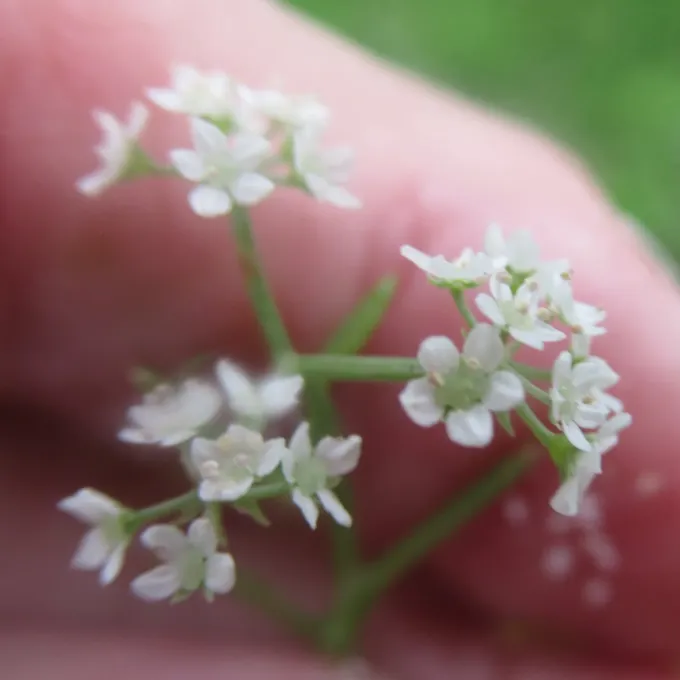
Description
Growing requirements
Limnosciadium pinnatum is an herbaceous annual plant belonging to the Apiaceae (parsley) family. It is native to North America, where it thrives in moist environments, including seasonal wetlands, marshes, and the margins of water bodies, showing high adaptation to hydric soils.
The botanical structure of the plant is defined by its erect, branching stems and characteristic pinnately-divided leaves, which allow for efficient gas exchange in water-saturated environments. The plant typically reaches heights between 30 and 60 centimeters under optimal conditions.
In terms of growth requirements, this species demands moist, fertile soil rich in organic matter. Unlike typical field crops, it thrives in environments where soil moisture remains consistently high throughout the vegetative phase, making it a specialized hydrophyte.
The climate preference involves temperate regions where humidity levels remain relatively high. Although it requires exposure to light, it is adapted to the fluctuating water levels of its native habitat, effectively managing periods of temporary inundation.
The agricultural and environmental use of this plant is largely centered on wetland restoration and landscape architecture. It serves as an excellent candidate for stabilizing the edges of artificial ponds and functioning within biological water purification systems.
Main diseases and pests
The primary threats to the cultivation of Limnosciadium pinnatum include various fungal pathogens. Root rot and leaf spot diseases frequently occur when the plants are grown in stagnant air conditions or when the planting density is too high.
Insect pests such as aphids pose a significant risk, as they tend to colonize the tender tissues of the plant. Their feeding activity can stunt growth and introduce viral pathogens that lead to tissue yellowing and overall decline of the specimen.
Mitigation strategies focus on ensuring adequate airflow through proper spacing between plants. Managing the moisture balance is also critical, as overly high ambient humidity without proper ventilation creates a favorable microclimate for pathogens.
Routine scouting for early symptoms of pests or diseases allows for timely manual removal of affected parts. This is highly effective in preventing large-scale outbreaks, especially in small-scale conservation projects or garden settings.
If chemical interventions are necessary, they should be applied with extreme caution due to the proximity of these plants to water sources. Integrated pest management (IPM) practices, such as encouraging natural predators, are highly recommended for the health of the ecosystem.