
Limnanthes douglasii
Limnanthes douglasii
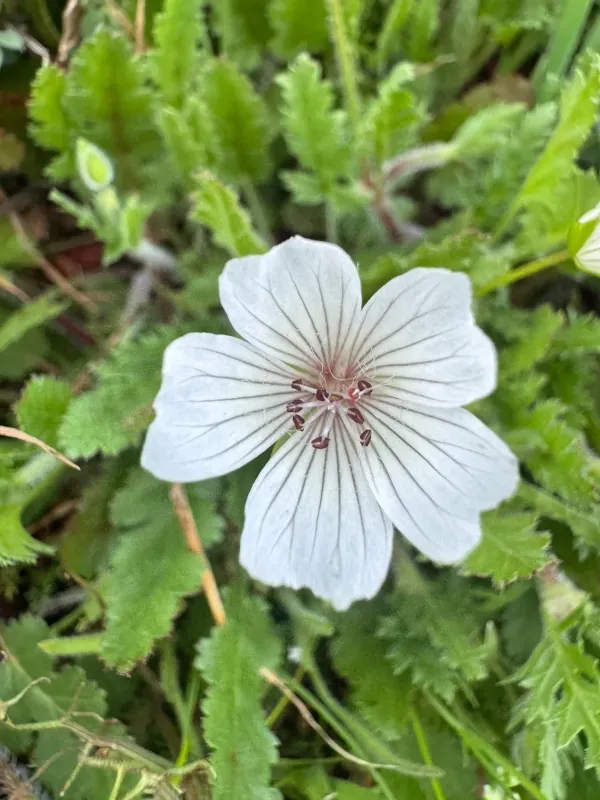
Description
Sowing dates
Limnanthes douglasii is an annual herbaceous plant belonging to the Limnanthaceae family. Native to the western regions of North America, it thrives in moist and cool habitats.
In commercial and decorative farming, sowing is typically performed in the spring once the soil reaches moderate temperatures, or in late autumn for regions with mild winters.
The seeds demonstrate excellent germination when sown at a depth of 1–2 centimeters. It is crucial to ensure good soil-to-seed contact and maintain adequate moisture for uniform emergence.
An optimal seeding pattern aims to create a dense canopy, which effectively suppresses weed growth during the early stages of plant development.
The crop shows high adaptability to various light conditions, although it performs best in open, sun-warmed areas for maximizing overall biomass production.
Growing requirements
Limnanthes douglasii is highly sensitive to soil moisture levels, which earned it the common name Meadowfoam. The plant struggles to withstand prolonged drought and excessive heat.
The most suitable soils for cultivation are loam-based, organic-rich types that retain moisture well without posing a risk of waterlogging in the root zone.
The temperature optimum for development is between 15 and 20 degrees Celsius, making the crop ideal for regions characterized by cool, damp summer seasons.
The plant features a well-developed root system that efficiently extracts nutrients from deeper soil layers, though moderate nitrogen fertilization significantly improves yield.
A critical requirement is the avoidance of soil compaction, as the roots need sufficient oxygen supply to maintain vigorous and healthy plant growth.
Yield
The economic value of Limnanthes douglasii lies primarily in its oil, which contains unique long-chain fatty acids that are highly sought after by the cosmetic industry.
Meadowfoam oil is characterized by exceptional oxidative stability, making it a premium ingredient in high-quality skincare and hair care formulations.
Beyond its oilseed application, the crop serves as an excellent honey plant, attracting bees and beneficial insects that contribute to the overall biodiversity of the ecosystem.
Yield depends heavily on stand density: reaching the optimal plant count per hectare is essential for consistent seed production and maximum economic output.
The crop is also valued as a potential green manure and a functional plant for reclaiming waterlogged or poorly drained agricultural sites where conventional crops struggle.
Main diseases and pests
Limnanthes douglasii exhibits high natural resistance to most common agricultural pests, allowing for minimal chemical intervention during the growing season.
The main threat when agronomic practices are neglected is the development of root rots, which are triggered by stagnant water and poor soil drainage.
In high humidity environments, the aerial parts of the plant may be susceptible to fungal diseases such as powdery mildew, which can be managed by ensuring proper plant spacing.
Among the pests, slugs and snails can cause significant damage during the seedling stage, particularly in shaded or excessively damp growing conditions.
Regular monitoring of field conditions in the spring allows farmers to prevent the spread of diseases by optimizing air circulation throughout the crop canopy.
Harvesting
Harvesting Meadowfoam requires precise timing, as the seeds are prone to shattering upon full maturity, which can lead to substantial yield losses if not managed.
Technical maturity is indicated when the seeds turn a distinct dark brown color and the moisture content drops to suitable levels for stable storage.
Direct combining is the preferred harvesting method, often involving the application of desiccants to ensure the vegetative mass dries evenly before collection.
Post-harvest, the seeds must undergo mandatory drying in well-ventilated facilities to prevent self-heating and the degradation of the valuable oil content.
Efficient harvest logistics are vital to preserving the quality and oil yield of the crop, ensuring it meets the standards required for industrial processing.