
Limacia scandens
Limacia scandens
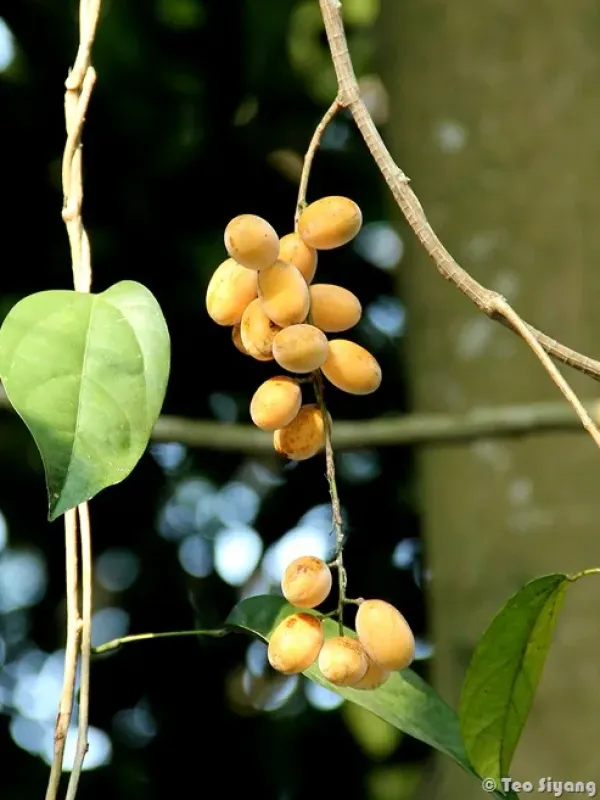
Description
Sowing dates
Limacia scandens is a perennial woody climber belonging to the Menispermaceae family. It is primarily propagated through stem cuttings to ensure uniformity, as seeds can exhibit variability and take significantly longer to reach maturity in commercial settings.
In tropical climates, the optimal sowing or planting time is at the beginning of the rainy season. This timing ensures sufficient moisture for the initial root development. In controlled environments like greenhouses, propagation can occur year-round provided the temperature is maintained at a steady 25°C.
The rooting substrate for Limacia scandens should be loose, well-draining, and rich in organic matter. Many growers prefer a mix of coco peat and perlite to maintain the ideal balance of moisture retention and aeration, which is vital for preventing rot in developing cuttings.
Successful establishment of the vine requires careful handling of the root ball during transplanting. Young plants should be hardened off before being moved to the field to ensure they can withstand the environmental fluctuations of the outdoor climate after their initial period in a nursery.
Installing support structures like trellises or vertical nets is essential for this species. As a climber, Limacia scandens requires upward space to thrive; without proper support, the vines become tangled on the ground, which increases susceptibility to fungal diseases and makes harvesting difficult.
Growing requirements
Limacia scandens thrives in tropical and subtropical climates where temperatures consistently remain between 22°C and 30°C. It is highly sensitive to frost and sudden temperature drops, which can cause significant stress or even death to the plant tissue.
The soil should be fertile with a slightly acidic pH, typically ranging between 6.0 and 6.8. Heavy clay soils are unsuitable as they impede root growth and drainage, leading to potential issues with root rot. Adding organic mulch is recommended to improve soil structure over time.
Regarding light, the plant prefers dappled sunlight. Intense direct noon sun can scorch the leaves and inhibit photosynthesis. In commercial plantations, shade netting is often utilized to simulate the natural forest-floor-to-canopy gradient that the plant is adapted to in the wild.
Water requirements are high, especially during the growth phase. While the soil must remain moist, it should never be waterlogged. A drip irrigation system is the most efficient way to maintain consistent soil moisture, reducing the risk of surface compaction and erosion.
Fertilization with a balanced NPK fertilizer, supplemented with organic compost, is necessary at the start of the growing season. Micronutrients such as iron and magnesium are also crucial, as deficiencies in these elements often manifest as leaf yellowing, common in this species.
Yield
The yield of Limacia scandens primarily consists of its leaves and stems, which are harvested for their medicinal alkaloid content. Productivity is directly proportional to the plant's health and the age of the vines, with mature plants offering more stable biomass yields.
Under optimal conditions, multiple harvests can be obtained in a single year. Pruning the plant properly not only facilitates the harvest but also stimulates the development of new, high-quality lateral shoots, which are often richer in desirable active compounds.
Yield metrics in commercial farming are calculated based on dry weight per hectare. Achieving high yields requires strict adherence to water and nutrient schedules, as any deficit leads to a reduction in leaf size and secondary metabolite production in the plant tissues.
Timing the harvest is critical; it is best performed during the cooler parts of the day. This practice helps preserve the volatile compounds within the plant and prevents rapid wilting, ensuring that the harvested biomass maintains its quality during transport to processing facilities.
Strategic harvesting cycles help maintain the longevity of the plantation. Over-harvesting can lead to the exhaustion of the plant's energy reserves, so a rotating system where only a portion of the vine is harvested at once is standard practice for sustainable production.
Main diseases and pests
The most common pests affecting Limacia scandens are aphids and spider mites, which thrive in warm, humid conditions. These insects target the young, tender growth at the tips of the vines, sucking the sap and potentially transmitting various viral diseases.
Fungal diseases are a major concern, particularly root rot caused by Phytophthora species. This usually occurs when soil drainage is poor or when the plants are over-watered. Symptoms include leaf wilting and eventual decay of the root system, often leading to plant death.
Leaf spots caused by fungi or bacteria can degrade the quality of the harvested biomass. Proactive management involves keeping the plantation clean, removing dead leaves, and ensuring adequate airflow between the rows to reduce humidity levels around the foliage.
Nematodes are another hidden threat to the root system. They can cause stunted growth and nutrient deficiencies because they damage the roots' ability to absorb water. Regular soil testing and the use of healthy, nematode-free seedlings are the best defensive measures.
Integrated Pest Management (IPM) is the preferred approach for control. This involves the use of biological controls, such as predatory mites, alongside careful monitoring to keep pest populations below the threshold where they cause significant economic damage to the crop.
Harvesting
Harvesting involves the manual cutting of mature stems using sterilized shears. This prevents the spread of pathogens between plants and ensures a clean cut that heals quickly, reducing the time the plant is vulnerable to infection after the harvest process.
When roots are specifically required, they are excavated carefully to avoid damaging the crown. This is typically done when the plant is in a dormant state or during the dry season to ensure the highest concentration of active ingredients in the root system.
Post-harvest handling requires immediate sorting to remove any damaged or diseased plant parts. The remaining biomass is then spread out in well-ventilated, shaded areas for drying, which helps preserve the chemical integrity of the plant’s active compounds.
Temperature control during the drying process is paramount; exceeding 45°C can lead to the degradation of essential alkaloids. Once dried to the desired moisture level, the product is packed into breathable containers to prevent the build-up of moisture and mold.
Final storage should be in a cool, dark, and dry environment. This protects the product from oxidation and the degradation of light-sensitive active ingredients, ensuring the highest possible quality for pharmaceutical or industrial end-use.