
Grass-leaved daisy
Leucanthemum graminifolium
Description
Sowing dates
Sowing the seeds of Leucanthemum graminifolium in temperate climates should ideally take place in late autumn or early spring once the soil temperature stabilizes.
If spring sowing is preferred, seeds require a period of cold stratification for several weeks to break dormancy and ensure high germination rates.
Seeds should be sown shallowly, barely covering them with a thin layer of soil, as they require light to germinate efficiently without hindrance.
Starting plants in seed trays indoors during March provides a significant advantage, allowing for robust seedling development before transplanting outdoors.
Once the risk of frost has passed in May, the seedlings should be hardened off and transplanted to their permanent site with adequate spacing.
Growing requirements
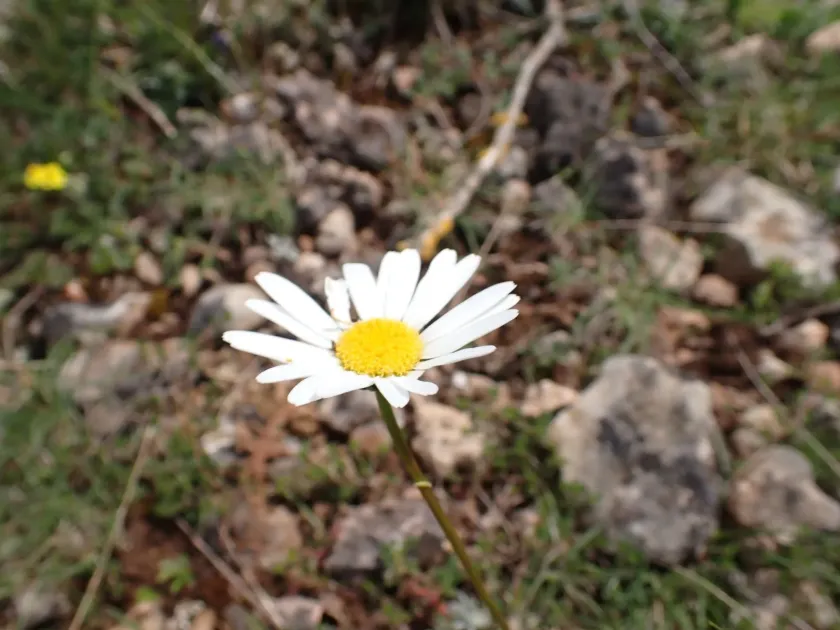
The grass-leaved daisy belongs to the Asteraceae family and is recognized for its slender, grass-like foliage and elegant, classic daisy-shaped blooms.
This species thrives in full sun exposure and requires well-drained, fertile soil to ensure optimal development and longevity of the plant crown.
It is moderately drought-tolerant once established, though consistent watering is beneficial for producing the highest quantity and quality of flower heads.
Soil pH should remain neutral, and the addition of well-rotted organic matter can significantly improve the nutrient profile and moisture retention of the soil.
- Regular weeding around the base of the plant.
- Application of balanced fertilizer before the flowering season.
- Removal of spent flower heads to encourage secondary blooms.
Main diseases and pests
Powdery mildew is a common concern for this culture, especially in gardens with poor air circulation or areas prone to high levels of humidity.
Root rot caused by Phytophthora or Pythium species can occur if the soil remains waterlogged, underscoring the vital importance of soil drainage.
Aphids and leaf-eating beetles are the primary pests that may attack the foliage, necessitating regular monitoring during the active growth stages.
Managing these threats requires a proactive approach, including the use of appropriate fungicides and insecticides when thresholds of infestation are exceeded.
Cultural practices like maintaining proper plant spacing and removing debris help significantly in reducing the incidence of both pests and diseases.