
Leucanthemum coronopifolium
Leucanthemum coronopifolium
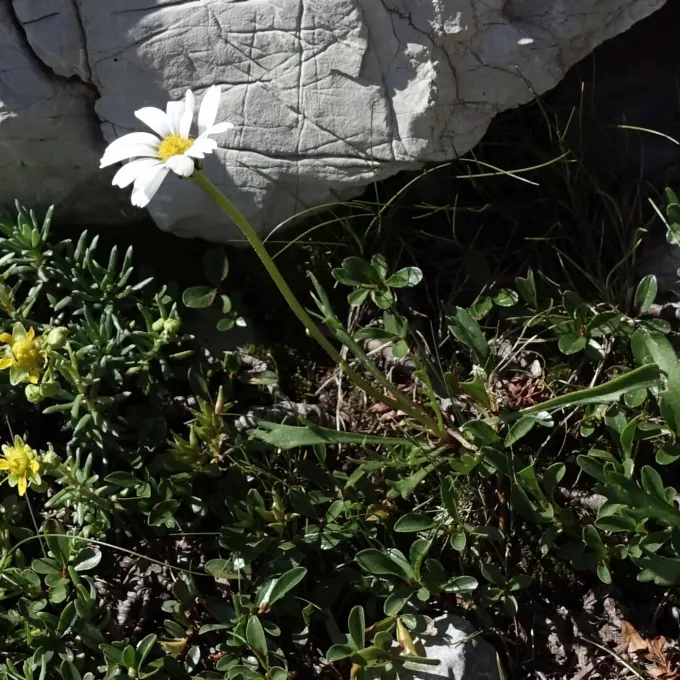
Description
Growing requirements
Leucanthemum coronopifolium, a member of the Asteraceae family, is a robust herbaceous perennial that is highly regarded for its aesthetic value and physiological resilience in horticultural applications.
Originating from the mountainous regions of Southern Europe, this species is naturally adapted to environments that require excellent soil drainage and exposure to full solar radiation.
Cultivation should focus on neutral to slightly alkaline, well-draining soil types. Growers must avoid waterlogged conditions, as the root system of this species is particularly sensitive to stagnant moisture during dormant stages.
The plant thrives in moderate climates, exhibiting cold hardiness, although it benefits from protective mulch in regions prone to extreme frost without sufficient snow cover.
From an agricultural and commercial standpoint, it is widely utilized for floral arrangements, nursery propagation, and as a support plant in pollinator-friendly landscapes.
Main diseases and pests
Major phytosanitary threats include powdery mildew and various leaf spot diseases, which typically flourish when ambient humidity levels are consistently high and air circulation is poor.
Common insect pests include aphids and spittlebugs, which target the nutrient-rich terminal buds and developing flower stalks, causing stunted growth or deformity.
Effective management strategies incorporate systemic insecticides for pest control and integrated fungicide programs to maintain plant vigor throughout the growing season.
Cultural practices, such as proper spacing during planting and the removal of plant debris after the first frost, are critical for minimizing the pressure of soil-borne pathogens.
Monitoring for signs of chlorosis or wilting is essential, as these symptoms can indicate poor drainage or the onset of root-related disease complexes that require immediate corrective action.