
Lettowianthus stellatus
Lettowianthus stellatus
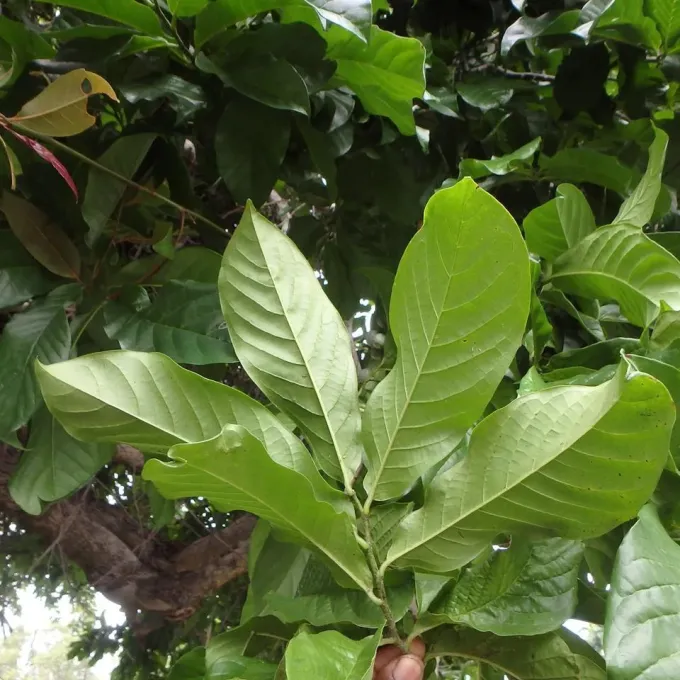
Description
Growing requirements
Lettowianthus stellatus is a rare monotypic genus of evergreen trees belonging to the Annonaceae family. This species is native to the tropical forests of Tanzania and Kenya, where it thrives under conditions of high humidity and consistent warmth.
The plant requires a stable tropical climate to maintain vigorous growth. Temperatures should ideally remain between 22 and 30 degrees Celsius, as the species is highly sensitive to cold stress and abrupt temperature changes.
Soil requirements for this crop focus on deep, well-draining substrates rich in organic matter. An acidic to neutral soil pH is preferred, and waterlogging must be strictly avoided to prevent root system dysfunction.
Botanically, the tree is characterized by its distinct stellate flowers, which give the plant its specific epithet. Its leathery leaves are well-adapted to high-transpiration environments typical of its native canopy habitats.
Current agricultural use is limited, focusing primarily on botanical conservation and specialized horticulture. Further research is needed to determine the viability of large-scale propagation for timber or botanical interest.
Main diseases and pests
The primary threats to Lettowianthus stellatus include soil-borne fungal pathogens, such as Phytophthora, which can cause severe root rot in poorly drained cultivation sites.
Sap-sucking insects like scales and mealybugs represent the main pest threats, especially in nursery settings. Early detection is essential to prevent significant leaf damage and plant growth retardation.
Climate change and habitat loss in East Africa pose a significant risk to the natural populations of this species. Conservation efforts are currently centered on identifying and protecting remaining wild habitats.
Nutrient deficiencies, specifically magnesium and iron, can occur if the soil substrate is not properly balanced. Regular foliar analysis is recommended to manage micronutrient uptake efficiently.
Integrated pest management (IPM) practices, involving both biological control and limited chemical intervention, are the standard for maintaining the health of these trees in non-natural environments.