
Letestua durissima
Letestua durissima
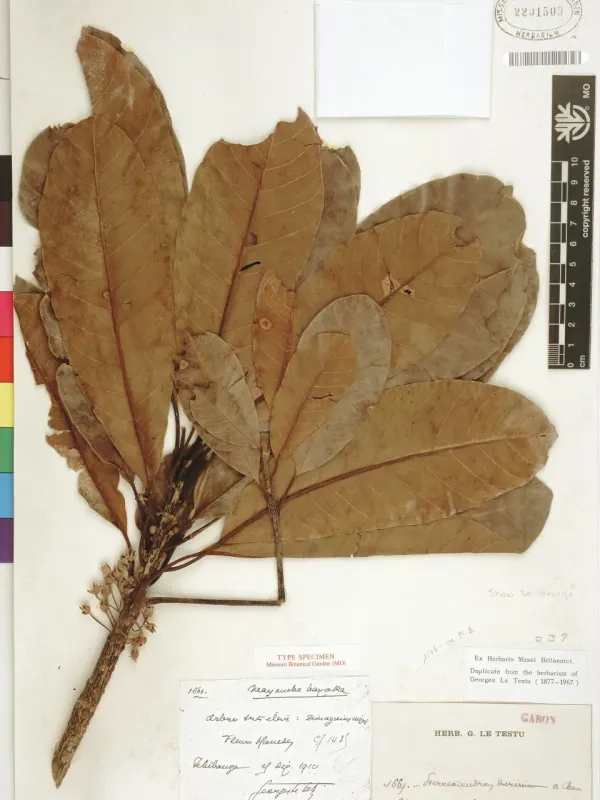
Description
Growing requirements
Letestua durissima is a significant tree species belonging to the Sapotaceae family. Native to the tropical rainforests of Central Africa, particularly in Gabon, it is recognized for its dense and durable wood properties.
The tree thrives in environments characterized by high humidity and consistent rainfall throughout the year. It requires deep, well-drained soils to support its substantial growth and maintain the health of its extensive root system.
Botany-wise, the species is known for its slow maturation and robust trunk development. As an inhabitant of the primary rainforest canopy, it has adapted to survive in competitive environments where access to light is a primary factor.
Cultivation of Letestua durissima is difficult due to its slow growth rate and specific ecological demands. Unlike traditional agricultural crops, it requires long-term planning and minimal disturbance of the surrounding ecosystem.
The timber obtained from this tree is highly valued for its extreme hardness and resistance to wear. It is typically utilized in high-end carpentry, construction, and specialized furniture production where durability is paramount.
Main diseases and pests
The primary threat to the existence of Letestua durissima is illegal or excessive logging. Because the species grows slowly, it cannot recover quickly from habitat loss, leading to a decline in natural populations.
Pests and diseases, such as wood-boring insects and parasitic fungi, pose a constant challenge in the humid tropical environment. These organisms can severely degrade the wood quality and affect the overall health of the tree.
Climate change poses a long-term risk by altering the patterns of rainfall and humidity necessary for its development. Any shift in the moisture balance can disrupt the regeneration cycle of the seedlings.
Invasive species and secondary forest growth may outcompete young Letestua durissima plants for resources. This lack of successful recruitment leads to fragmented and aging populations in the wild.
Conservation efforts are vital to ensure the survival of this species. Promoting sustainable forest management and strictly controlling harvest rates are essential to prevent the extinction of this valuable tree.