
Leptopus cordifolius
Leptopus cordifolius
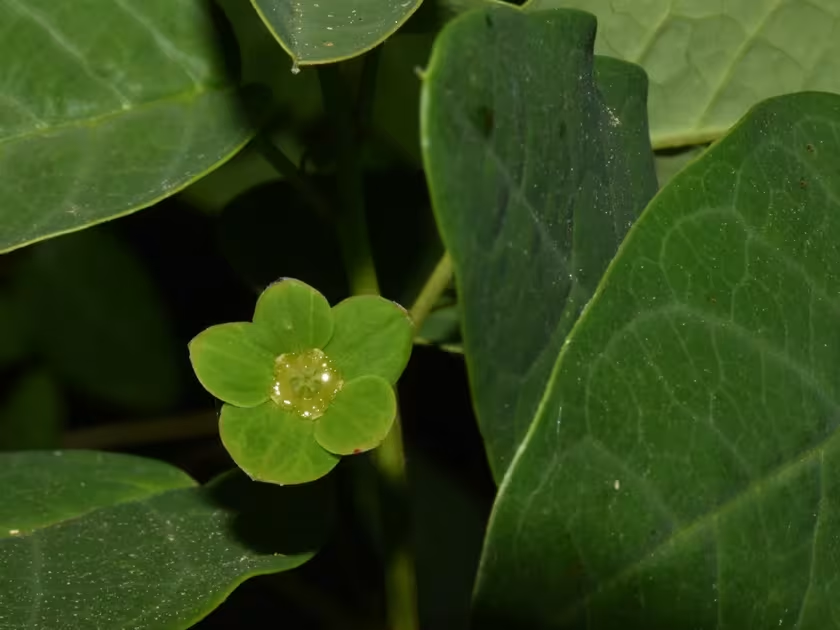
Description
Growing requirements
Leptopus cordifolius belongs to the Phyllanthaceae family. This perennial shrub is primarily native to the regions of South and East Asia, including China and the Himalayas. The plant prefers a moderately warm climate and well-lit areas with light shading during the hottest hours of the day.
For successful growth, the crop requires well-drained, sandy, or loamy soils with a neutral to slightly acidic pH level. A crucial condition is regular but moderate irrigation, as the plant is sensitive to both prolonged waterlogging and severe drying out of the root system.
Botanically, the species is characterized by cordate (heart-shaped) leaves arranged oppositely and fragile shoots. In its natural habitat, it is adapted to mountain slopes, which explains its high resistance to temperature fluctuations and ability to grow in nutrient-poor soils.
The economic importance of the culture is currently limited to ornamental gardening and its use as a source of bioactive compounds for pharmaceutical applications. The plant is prized for its unique leaf shape and its ability to adapt to the specific conditions of rocky landscapes.
When cultivating this crop, it is important to provide protection from strong cold winds. In regions with temperate climates, the shrub requires winter covering to prevent the freezing of young shoots, which have limited frost resistance during their first years of life.
Main diseases and pests
Typical threats to the development of Leptopus cordifolius include fungal diseases of the root system caused by excessive soil moisture. It is recommended to strictly follow an irrigation schedule and use high-quality drainage systems when planting in closed ground.
Among pests, sucking insects such as spider mites or scale insects are most commonly found in plantations. Upon detecting the first signs of infestation, timely treatment with systemic insecto-acaricides should be carried out.
Powdery mildew can affect the leaf blade in conditions of high humidity and poor air circulation in the canopy zone. Preventive measures include pruning branches and ensuring free airflow to each plant in the row.
Root rots require strict monitoring by the agronomist: prevention consists of disinfecting the substrate and controlling the quality of irrigation water. In case of disease spread, infected specimens must be removed immediately, followed by soil treatment with fungicides.
Leaf-eating insects can damage young growth during the spring period. Regular visual inspection of the plantations allows for the identification of pest breeding sites at early stages, minimizing the need for chemical protection agents.