
Lepistemon owariensis
Lepistemon owariensis
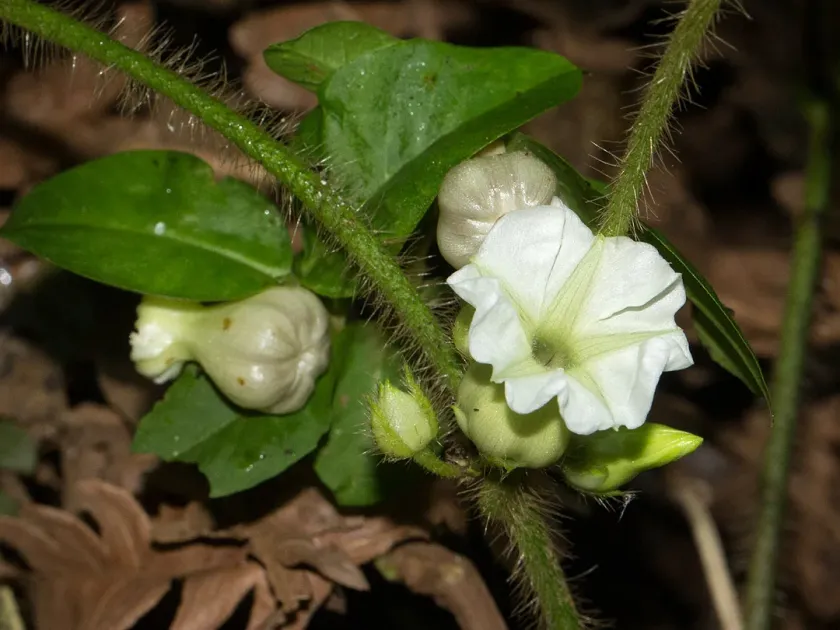
Description
Sowing dates
Lepistemon owariensis is a climbing plant species within the Convolvulaceae family, requiring specific environmental conditions for successful seed germination and establishment.
In its native tropical habitats, sowing is typically initiated at the beginning of the rainy season to ensure moisture availability during the critical seedling stage.
Seeds of this species often possess a hard, durable coat, making physical or chemical scarification an essential prerequisite for uniform and rapid germination.
Sowing should be performed at a shallow depth of approximately 1-2 cm in well-drained, nutrient-rich substrates to allow sufficient oxygen penetration for the developing embryo.
Maintaining a constant soil temperature between +25°C and +30°C is vital to accelerate the germination process and establish a robust root system quickly.
Growing requirements
The culture thrives under tropical conditions, demanding high levels of sunlight and consistent warmth throughout the entirety of its vegetative growth period.
It performs best in locations with high humidity and well-drained, fertile soil, as the plant is highly susceptible to root damage caused by waterlogging.
Providing structural support is crucial, as Lepistemon owariensis is a vigorous climber that needs vertical surfaces or trellises to reach optimal solar exposure.
The plant demonstrates a preference for neutral to slightly acidic pH soils that are rich in organic matter to sustain its rapid biomass accumulation.
Agronomic management should prioritize consistent moisture levels and protection from cold drafts or drastic temperature fluctuations that can stunt its growth.
Main diseases and pests
The primary threats to this culture include various fungal pathogens that proliferate under high humidity, leading to leaf spot and stem rot complications.
Root rot is a major risk factor, particularly in poorly drained soil, which can rapidly lead to the collapse of the plant's vascular system and total crop failure.
Pest management focuses on controlling aphids and spider mites, which can cause significant damage to young shoots and hinder the plant's photosynthetic capacity.
Integrated pest management strategies, including the use of biological control agents and fungicides, are recommended to maintain plant health throughout the season.
Regular monitoring of the canopy for signs of infestation or disease is essential, as early detection significantly improves the success rate of curative measures.