
Lemurophoenix
Lemurophoenix halleuxii
Description
Growing requirements
Lemurophoenix (Lemurophoenix halleuxii) is a rare and majestic palm species belonging to the Arecaceae family. It is endemic to the tropical rainforests of Madagascar, where it thrives in humid and shaded conditions.
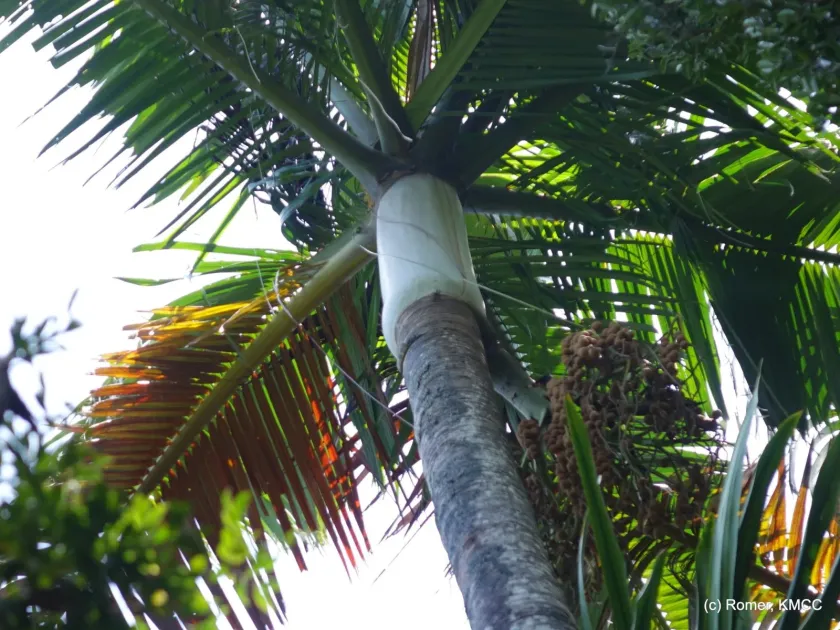
The plant is characterized by a sturdy, singular trunk and long, elegant pinnate leaves that can span several meters. Its architectural form makes it a prized specimen among collectors and tropical landscape enthusiasts.
Cultivation requires a tropical climate with temperatures consistently above 20°C. High atmospheric humidity is essential for the healthy development of foliage and overall plant vigor, mimicking its native habitat.
Soil requirements focus on high fertility and exceptional drainage. A loamy, well-aerated substrate rich in organic matter is ideal, preventing the saturation that leads to root asphyxiation during wet periods.
Proper agricultural practices include regular monitoring of soil moisture levels. While the plant requires consistent hydration, the drainage system must be efficient enough to prevent standing water at the base of the root ball.
Main diseases and pests
Fungal infections are the most common threats to the health of Lemurophoenix, especially when humidity is high but air circulation is stagnant. These pathogens primarily attack the root zone if drainage is poor.
Pests such as spider mites and scale insects are frequently encountered in controlled indoor environments. These pests thrive in dry conditions and can cause significant damage to the leaf structure if left untreated.
Nutrient deficiencies, specifically regarding magnesium and iron, are common in potted specimens. This leads to distinctive yellowing patterns on the older fronds, which can be corrected with balanced, palm-specific fertilizers.
Environmental stress caused by sudden temperature shifts or exposure to cold drafts can result in leaf tip browning and physiological decline. Providing a stable, warm, and draft-free environment is critical.
Careful sanitation of the growing area helps mitigate the risk of pest outbreaks and fungal spread. Regular inspections of the foliage and leaf axils are recommended to identify early signs of infestation.