
Leea guineensis
Leea guineensis G. Don
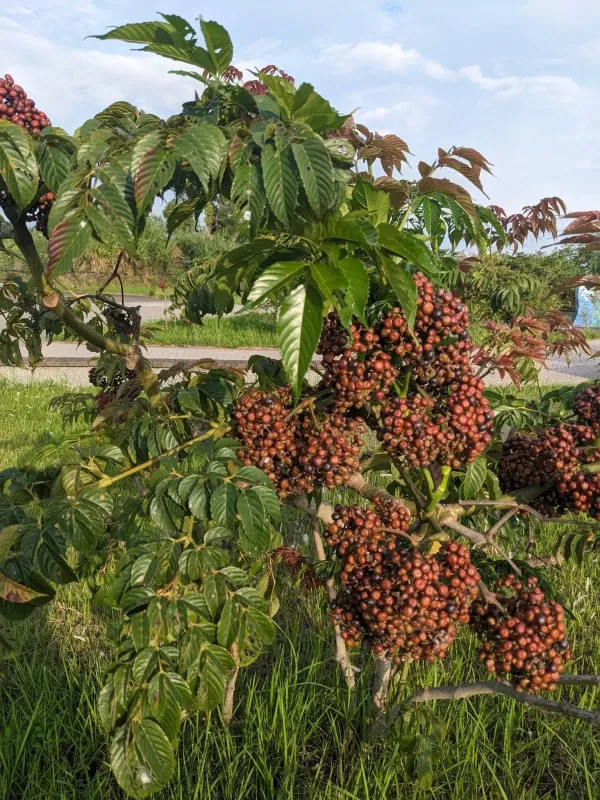
Description
Growing requirements
Leea guineensis is a prominent member of the Vitaceae family, commonly recognized for its lush, pinnate foliage and vibrant, small flowers. In its native tropical African habitat, it functions as an understory shrub or small tree.
The plant thrives in regions characterized by high humidity and consistent rainfall. Its natural environment consists of dense forest floors, where it effectively utilizes filtered sunlight, making it highly adaptable to greenhouse or indoor cultivation.
Agronomically, this species requires a warm environment with temperatures ideally ranging between 22 and 28 degrees Celsius. Exposure to cold drafts or temperatures dropping significantly below 18 degrees Celsius can severely impact its growth rate.
Regarding soil requirements, Leea guineensis demands a well-draining, nutrient-rich substrate. A mix consisting of peat moss, pine bark, and perlite provides the necessary aeration and moisture retention required for a healthy root system.
Watering practices should balance consistent soil moisture with effective drainage. The plant prefers high atmospheric humidity, which can be maintained through regular misting or the use of humidifiers in climate-controlled growing facilities.
Main diseases and pests
The most significant threat to Leea guineensis is the infestation of sap-sucking pests, particularly spider mites and mealybugs. These pests thrive in dry environments and can quickly cause severe damage to the foliage if left unchecked.
Root rot, caused by overwatering or poor drainage, remains the most common physiological threat. Pathogenic fungi exploit waterlogged soil conditions, leading to the rapid decay of the root system and eventual plant mortality.
Scale insects can also infest the stems of the plant, causing localized damage. Periodic inspections of the stems and the undersides of leaves are recommended to ensure early detection and prompt treatment with horticultural oils or insecticides.
Fungal infections, such as powdery mildew, may occur if air circulation is inadequate. Ensuring proper spacing between plants and maintaining good airflow is essential to prevent the spread of spores in a greenhouse or nursery setting.
Nutrient deficiencies, specifically nitrogen or iron shortages, can manifest as interveinal chlorosis. Regular application of a balanced, water-soluble fertilizer during the active growing season is necessary to maintain the plant's structural integrity and aesthetic quality.