
Lawsonia inermis
Lawsonia inermis
Description
Sowing dates
Lawsonia inermis, commonly known as henna, is a flowering shrub belonging to the Lythraceae family, primarily cultivated for its leaves which produce the natural dye henna. Propagation is usually achieved through seeds or stem cuttings, which are planted in well-prepared nursery beds before being transplanted.
Sowing should take place when soil temperatures consistently range between 25 and 30 degrees Celsius. Pre-treatment of seeds, such as soaking or scarification, is recommended to ensure uniform germination and to support the establishment of a robust taproot system.
When transplanting into the field, a spacing strategy is essential to allow for adequate sunlight penetration to the lower branches. Sufficient space between plants ensures air circulation, which helps manage humidity levels and promotes healthy vegetative growth.
Young plants require consistent moisture during their initial establishment phase. However, as the shrubs mature, they become increasingly drought-tolerant, making the crop well-suited for hot, arid climates where water resources might be limited.
The cultivation period is relatively long, as the shrub is perennial. Establishing a plantation requires careful site selection to ensure long-term productivity and to provide the environmental conditions necessary for high-quality dye synthesis within the leaf tissues.
Growing requirements
Henna thrives in well-drained sandy or loamy soils. It is particularly sensitive to waterlogging, so fields must be graded to prevent stagnant water, which can trigger root decay and negatively impact the crop's vitality.
Climate is the most critical factor for Lawsonia inermis; it is a thermophilic plant that requires high temperatures and abundant solar radiation. Frost is fatal to the plant, limiting its commercial cultivation to tropical and subtropical latitudes.
Agricultural management includes balanced fertilization, focusing on nitrogen to encourage leaf production. Potassium applications are beneficial during the peak growth months to improve the plant's overall stress resistance and dye concentration.
Irrigation scheduling should be precise, providing enough water for rapid growth while avoiding excessive saturation. Drip irrigation is highly recommended for commercial plantations as it delivers water directly to the root zone while minimizing weed growth.
Pruning is a vital agrotechnical practice that maintains the shrub in a manageable shape for harvesting. Regular trimming encourages new flush growth, which is essential for maintaining consistent yields of high-quality, pigment-rich leaves.
Yield
The primary yield from Lawsonia inermis consists of dried leaves processed into fine powder. Yield potential is determined by soil health, proper spacing, and the effectiveness of the harvesting cycle over the plant's lifetime.
Harvesting usually begins when the shrub is between 18 and 24 months old. Mature plantations can be harvested multiple times per season in optimal tropical conditions, provided the plants are allowed sufficient time to regenerate between cuttings.
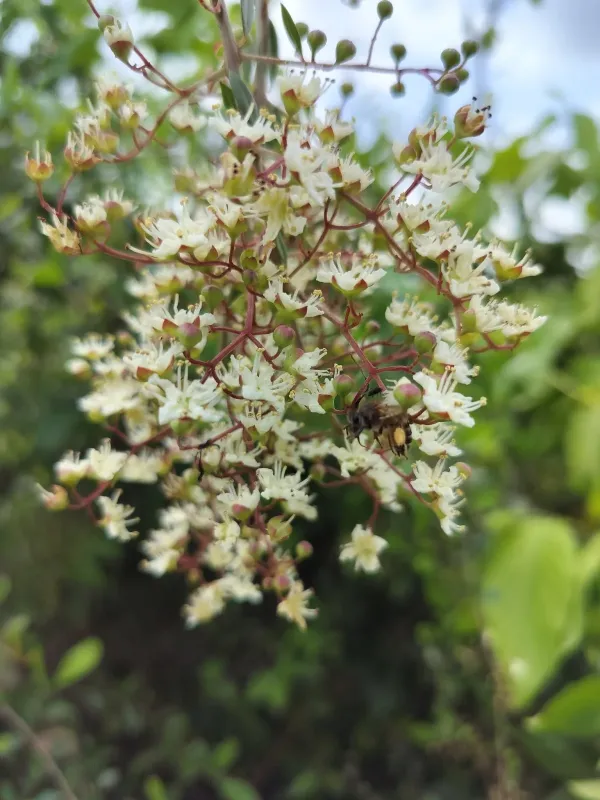
Flowers are a secondary but valuable product, utilized primarily in the fragrance industry. Harvesting flowers requires additional manual labor but significantly contributes to the overall economic value per hectare of the plantation.
Post-harvest processing, including cleaning leaves of twigs and debris, is essential for premium quality. Market value is dictated by the color saturation of the henna, which directly correlates with the concentration of lawsone, the primary dye molecule.
Waste management is an integral part of the production cycle; stems and branch trimmings are often repurposed as organic mulch, returning nutrients to the soil and helping to maintain fertility across the plantation over several years.
Main diseases and pests
Lawsonia inermis is relatively hardy and possesses natural defenses, including alkaloids, which repel many common insect pests. However, poor field management can lead to localized disease outbreaks, particularly during humid seasons.
Root rot caused by fungal pathogens is the most significant threat, typically associated with improper drainage or over-irrigation. Preventive measures such as soil aeration and regulated watering are the first lines of defense against these infections.
Pests like spider mites and aphids may attack new tender growth. Integrated Pest Management (IPM) strategies, including the use of neem-based sprays or natural predators, are preferred to ensure the final product remains free of harmful chemical residues.
Nematodes can affect the root health, especially in light, sandy soils. Implementing crop rotation or using sterilized soil media in nursery stages can prevent the buildup of soil-borne pathogens that hinder plant development.
Constant monitoring of the plantation is required to detect early signs of infestation. Early intervention prevents large-scale losses and maintains the high quality of the leaves, which is paramount for the international henna market.
Harvesting
The harvesting of henna leaves is timed to coincide with the period of peak lawsone concentration. This is generally just before the plant enters its full flowering phase, as energy is optimally distributed in the leaves at this stage.
Harvesting is performed by cutting the upper leafy branches manually. This selective cutting process is labor-intensive but ensures that the plant remains healthy and continues to produce new, dye-rich foliage for subsequent harvests.
After collection, leaves are dried in shaded, ventilated areas. Direct exposure to intense sunlight must be avoided to prevent the degradation of pigments, which would result in a duller, lower-quality final product.
Once properly dried, the leaves are ground into a very fine, consistent powder. The process requires precise sieving to ensure no coarse material remains, guaranteeing the smooth texture expected by consumers of high-quality henna.
Final packaging is the last crucial step; the powder must be stored in airtight containers away from humidity and light to prevent oxidation, ensuring that the dye remains fresh and effective until it reaches the end user.