
Latua pubiflora
Latua pubiflora
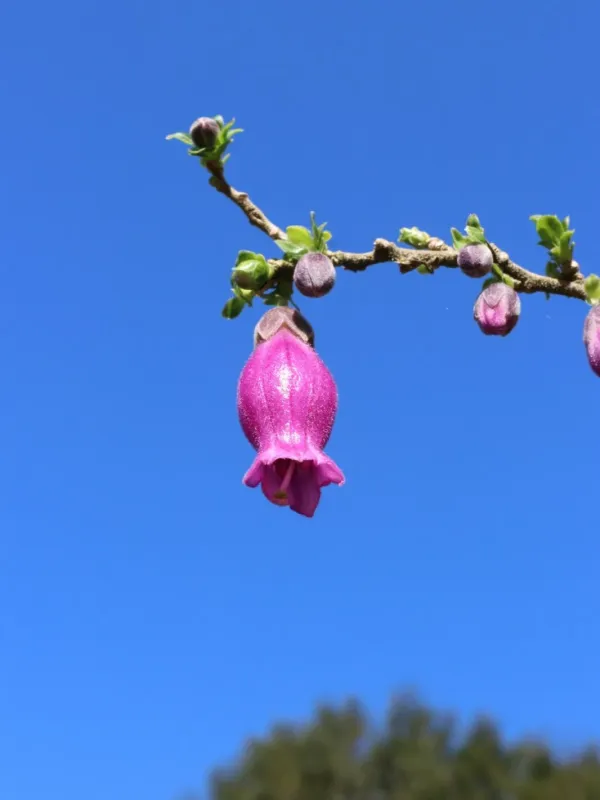
Description
Growing requirements
Latua pubiflora is a unique shrub belonging to the Solanaceae family, characterized by its distinctive tubular flowers. It is endemic to the coastal temperate rainforests of southern Chile, where it thrives in shaded, humid environments protected by the forest canopy.
The plant requires deep, humus-rich soils with excellent drainage to prevent root rot. It is not traditionally cultivated as an agricultural crop but is a subject of intense botanical study due to its complex alkaloid profile and unique evolutionary adaptations.
Climate requirements include high atmospheric humidity and moderate temperatures throughout the year. The species is highly sensitive to extreme heat, drought, and direct sunlight, which can cause significant physiological stress and leaf scorching.
Cultivation attempts in greenhouse environments must replicate the cool, moist conditions of its native habitat. Regular moisture levels in the substrate must be maintained without allowing the soil to become waterlogged or stagnant.
Propagation of Latua pubiflora is challenging and typically restricted to botanical research collections. It requires specific ecological niche maintenance, including protection from strong winds and fluctuating environmental variables that could destabilize the plant.
Main diseases and pests
Fungal pathogens represent the most significant threat to the health of Latua pubiflora. Excessive soil moisture combined with poor air circulation often leads to severe root and crown rot, which is difficult to treat once established.
Insect pests, such as aphids and spider mites, are common threats, particularly in controlled environments where natural predators are absent. These pests can rapidly weaken the plant by feeding on the sap of young, tender shoots.
Powdery mildew can occur if environmental ventilation is insufficient, leading to foliage degradation. If left unchecked, the fungal infection can spread to the stems, significantly hindering the plant's ability to photosynthesize effectively.
Mechanical damage to the roots or stems during transplanting or maintenance creates entry points for secondary bacterial infections. Handling the plant requires extreme caution to maintain structural integrity and minimize stress.
Preventive measures include the application of mild fungicides and maintaining strict hygiene protocols within the growing area. Constant monitoring of leaf health and substrate moisture is essential to mitigate the impact of potential threats.