
Lasiopogon muscoides
Lasiopogon muscoides
Description
Growing requirements
Lasiopogon muscoides is a perennial herbaceous plant belonging to the Asteraceae family. It is a highly specialized species that has adapted to thrive in the harsh, arid environments of high-altitude mountain ranges.
The natural habitat of this plant is located in the alpine zones of Central Asia, where it grows at elevations often exceeding 4,000 meters. The geographical distribution is primarily restricted to scree slopes and dry rocky plateaus.
The plant requires extremely well-drained, nutrient-poor mineral soils to survive. It is highly sensitive to soil moisture stagnation, which makes its cultivation in standard agricultural settings nearly impossible without specialized controlled environments.
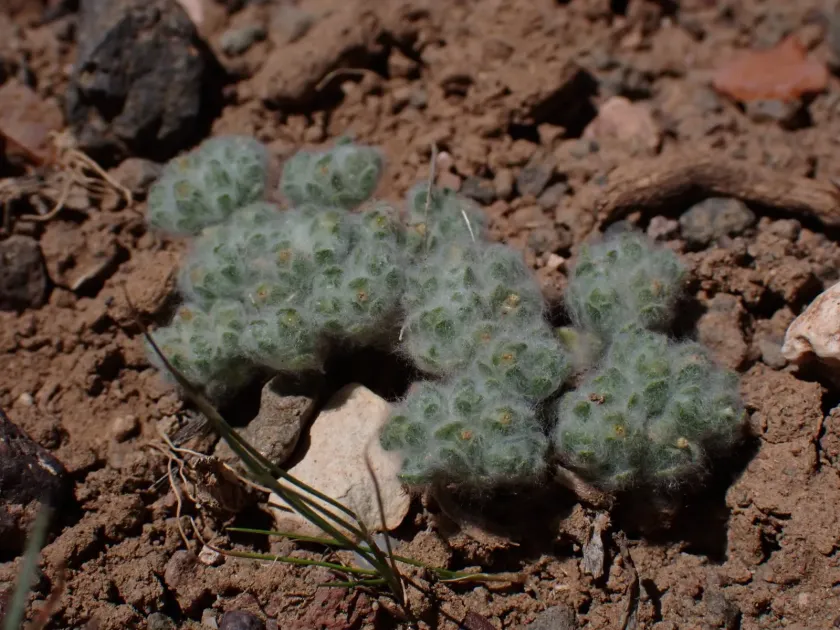
Morphologically, Lasiopogon muscoides displays a compact, cushion-like growth habit. This structure is an evolutionary adaptation designed to withstand powerful mountain winds and reduce transpiration rates during periods of intense solar radiation.
Due to its slow growth rate and specific ecological niche, this species is not used in commercial agriculture. Research efforts are mostly focused on preserving its natural populations and understanding the physiological mechanisms of its extreme frost and drought tolerance.