
Lasia spinosa
Lasia spinosa
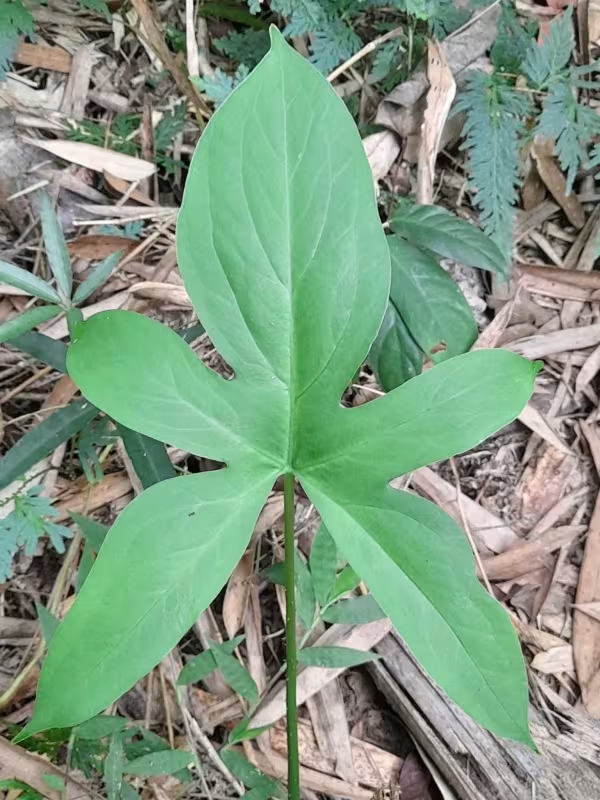
Description
Growing requirements
Lasia spinosa is a perennial herbaceous plant belonging to the Araceae family. It is widely distributed across tropical regions of Southeast Asia, where it thrives in wetlands, swampy areas, and along riverbanks.
The plant is characterized by its significant rhizomes and spiny stems, which provide a natural defense against herbivores. Its leaves are typically sagittate or pinnate, adding to its distinct aesthetic and botanical profile in its native habitat.
In terms of climatic requirements, Lasia spinosa demands a warm, humid tropical environment. It cannot survive frost or prolonged dry spells, making its cultivation restricted to specific humid climatic zones or managed greenhouse environments.
Soil requirements for this crop focus on high moisture retention and organic matter content. It is exceptionally well-suited for waterlogged soils, performing better than most conventional vegetables in saturated conditions, such as rice paddies or marshy lands.
Cultivation practices involve maintaining consistent soil moisture and providing adequate nitrogenous fertilizers to support the rapid growth of stems and leaves. Proper spacing of 40–60 cm is essential to manage light distribution and prevent competition among plants.
Harvesting
The primary harvestable parts of Lasia spinosa are its tender young leaves and petioles, which are highly valued for their nutritional properties and unique texture in various traditional dishes.
Harvesting usually begins when the plants reach sufficient vegetative maturity, typically a few months after initial planting or transplanting, depending on the growing conditions.
Care must be taken during harvest due to the sharp thorns on the stems; workers often use protective gloves and specialized shears to safely collect the stalks without damaging the main plant.
Continuous harvesting of the young shoots stimulates the plant to produce new growth, allowing for multiple harvests throughout the active growing season.
Post-harvest management involves keeping the product cool and moist, as the tender tissues of Lasia spinosa are prone to rapid wilting if exposed to high temperatures without sufficient humidity.