
Tsaoko
Lanxangia tsaoko (Crevost & Lemarié) M. F. Newman & Škorničk.
Description
Growing requirements
Tsaoko (Lanxangia tsaoko) is a perennial herbaceous plant belonging to the Zingiberaceae family. This species is highly valued for its aromatic fruits, which are globally known as black cardamom.
Native to the mountainous regions of Southeast Asia, including Yunnan, Vietnam, and Laos, Tsaoko thrives in understory forest environments. It requires specific ecological conditions to produce high-quality fruits.
The crop demands a humid tropical climate with temperatures that avoid extreme fluctuations. Shading is essential for cultivation, as the plants are naturally adapted to the filtered light found under tree canopies.
Soil requirements involve a deep, fertile, and well-drained medium that is rich in organic matter. A slightly acidic to neutral soil pH is ideal for promoting healthy rhizome growth and development.
Good agricultural practices include protecting the crop from wind and maintaining constant soil moisture. Mulching is highly recommended to protect the delicate root system from drought and temperature stress.
Yield
The economic value of Tsaoko lies in its fruits, which contain high concentrations of volatile oils. These oils are extracted for culinary use and traditional medicine, serving as a primary income source for many mountain farmers.
Yields are typically measured by the weight of dried capsules per hectare. A well-managed plantation can provide consistent harvest cycles for several years, provided the rhizomes remain healthy and undisturbed.
Productivity is influenced by planting density and the quality of the initial rhizome divisions used for propagation. Proper management ensures that the plant allocates energy to fruit production rather than just foliage.
Strategic investment in irrigation and pest control can significantly increase yield outcomes. Because the crop is labor-intensive, the efficiency of the harvest team often determines overall profitability.
Global demand for high-quality black cardamom is steadily increasing. This presents a strong opportunity for growers who can maintain organic farming standards and supply consistent, high-aroma products.
Harvesting
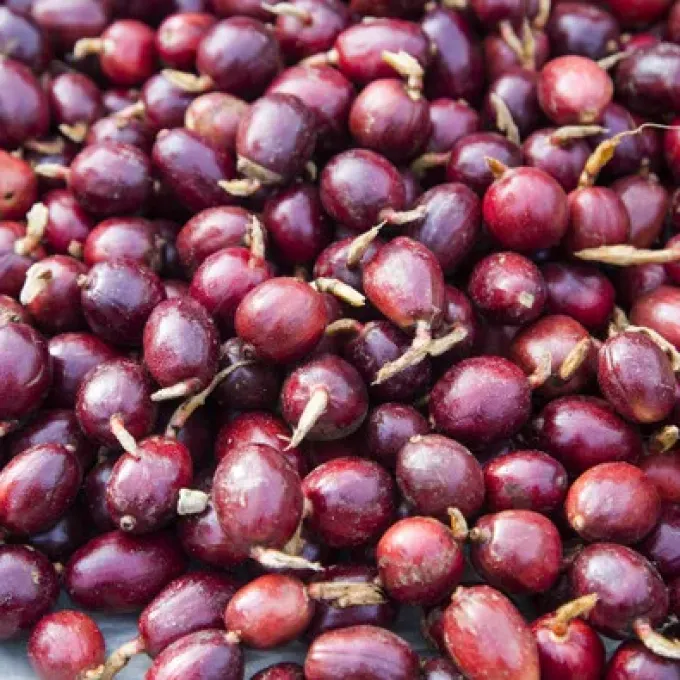
The harvesting process involves hand-picking the ripe, dark-red fruit clusters. Timing is critical, as early harvesting leads to lower oil content, while delayed harvesting increases the risk of damage.
Post-harvest processing is the most important step in Tsaoko production. The fruits must be dried rapidly to prevent mold growth, often using traditional smoking methods that define the spice's final profile.
After the harvest, workers clean the plantation by removing dead stems and leaf debris. This practice reduces the risk of fungal infections and prepares the rhizomes for the next vegetative cycle.
Storage requires cool, dry, and ventilated conditions. Because the essential oils are highly volatile, the quality of the packaging is paramount to maintain the product's market value over time.
- Tsaoko is a key ingredient in traditional spice blends.
- The plant acts as a perennial crop with minimal soil disturbance.
- Requires strict humidity management.
- Product quality is dictated by post-harvest drying techniques.