
Lactoris fernandeziana
Lactoris fernandeziana
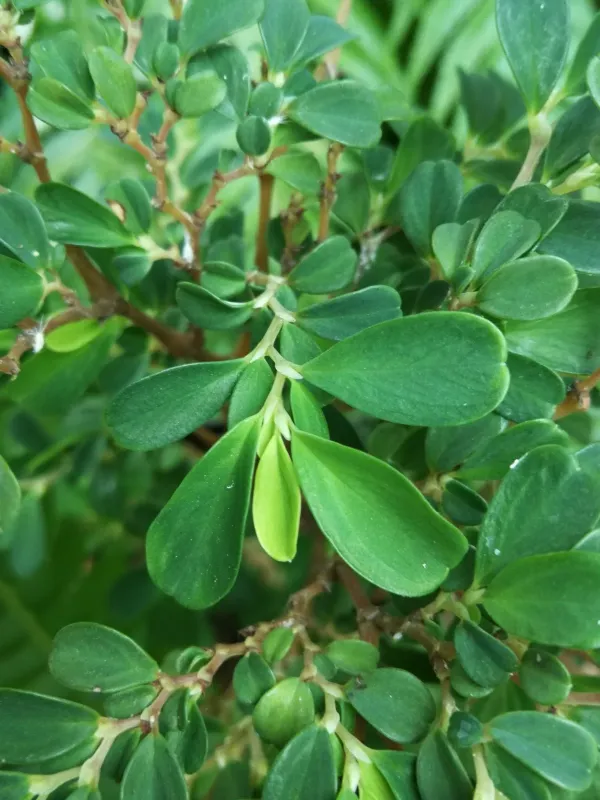
Description
Growing requirements
Lactoris fernandeziana is a unique endemic shrub species found exclusively on Robinson Crusoe Island in the Juan Fernandez archipelago, Chile. As the only species within its family, Lactoridaceae, it is considered a botanical treasure of significant evolutionary importance.
The plant typically inhabits dense, misty forests where the climate is characterized by stable, mild temperatures and high atmospheric humidity. These specific environmental conditions are essential for its physiological processes and long-term survival in the wild.
The soil substrate in its natural habitat is predominantly of volcanic origin, rich in organic matter. While it is not a cultivated agricultural crop, it remains a focal point for conservation efforts due to its extreme scarcity and status as a relic of ancient flora.
Botanically, the species is recognized by its evergreen, leathery leaves and small, inconspicuous flowers. The plant's morphology is highly adapted to capturing moisture from the frequent fogs that envelop the mountainous regions of the islands.
Reproduction in its natural habitat occurs through seeds; however, the species struggles with low genetic diversity. Protecting its delicate habitat is paramount, as the plant cannot thrive outside of these specialized environmental niches.
Main diseases and pests
The primary threat to the existence of Lactoris fernandeziana is the spread of invasive plant species. These aggressive competitors often outgrow the shrub, depriving it of the necessary sunlight and essential soil nutrients.
Climate change poses a significant risk, particularly the potential reduction of fog frequency in the region. Since the plant relies heavily on atmospheric moisture for hydration, prolonged dry spells can lead to rapid population decline.
Livestock grazing in the vicinity of the plant's habitat contributes to soil erosion and physical damage to young seedlings. Such disturbances hinder the natural regeneration processes required for population stability.
Fungal pathogens can thrive in the high-humidity environments where the plant resides, posing a constant risk of root rot. Given the limited number of individuals, even minor disease outbreaks can have devastating effects on the species.
Human activities, including tourism and infrastructure development, lead to habitat fragmentation. Maintaining strict control over access to these areas is vital to prevent further degradation of this rare botanical relic.