
Lachnophyllum noaeanum
Lachnophyllum noaeanum
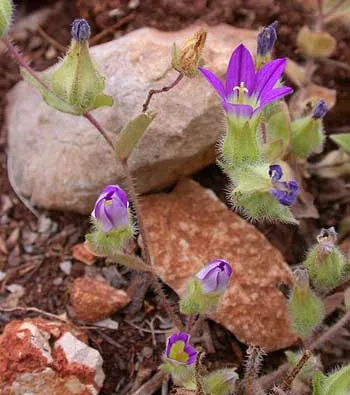
Description
Sowing dates
Sowing of Lachnophyllum noaeanum typically begins in the spring, once the soil temperature has consistently exceeded the minimum threshold required for seed germination.
Seeds should be planted at a shallow depth of approximately 1–2 centimeters to ensure they can emerge successfully without exhausting their energy reserves.
The standard row spacing is generally maintained at 30 to 45 centimeters, which allows for mechanical weed control and ensures adequate airflow between plants to prevent fungal buildup.
In regions with shorter growing seasons, starting seeds in controlled nursery conditions before transplanting can significantly improve the success rate and crop uniformity.
Seedbed preparation is crucial; the soil must be fine-textured and free of large clumps to ensure maximum contact between the seed and the soil particles.
Growing requirements
This species belongs to the Asteraceae family and thrives in well-drained, nutrient-rich soils with a neutral pH level. It requires a sunny location to reach its full potential.
While relatively resilient, the plant requires consistent moisture during its active growth phase to develop healthy vegetative biomass and sustain its metabolic processes.
Adequate soil aeration is vital, as the plant is susceptible to root distress if the soil remains waterlogged for extended periods, especially during early development.
The ideal climate for this crop consists of warm growing days and mild evenings, which are characteristic of many temperate agricultural zones.
Regular fertilization with balanced NPK formulations is recommended, especially in fields where soil organic matter is depleted or needs a boost for high-yield production.
Main diseases and pests
The primary threats to this crop include soil-dwelling larvae, such as wireworms, which can severely compromise plant vigor by damaging the root system.
Fungal pathogens, particularly those responsible for root rot and powdery mildew, are the most common diseases, especially when environmental humidity is high.
Aphid infestations can occur during peak growth periods, necessitating the use of biological control agents or targeted pesticides to maintain crop health.
Effective weed management is necessary, as weed competition for water and nutrients can significantly reduce the potential yield of the crop.
Crop rotation protocols are essential to disrupt the lifecycle of soil-borne pests and reduce the risk of repeating disease cycles from previous years.