
Krubera
Krubera peregrina
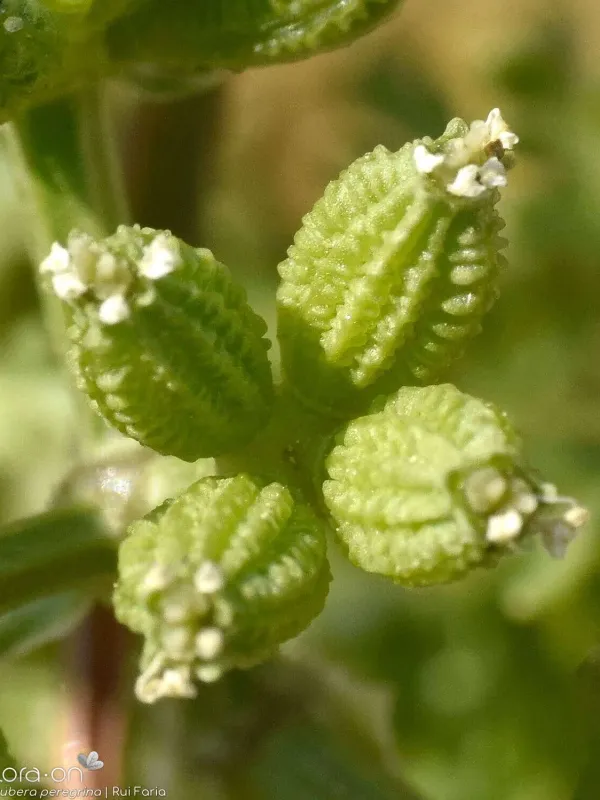
Description
Growing requirements
Krubera (Krubera peregrina) is a perennial herbaceous plant belonging to the Apiaceae family. It is a rare species native to limestone rocky terrains, primarily found in Mediterranean regions, known for its distinct botanical structure.
The successful cultivation of Krubera requires well-drained, porous soils with a neutral to slightly alkaline reaction. The plant thrives in environments that prevent waterlogging, making raised beds or sloped terrains ideal for commercial or garden planting.
This crop demands high light exposure and adapts well to warm, temperate climates. Protection from intense afternoon heat is advisable during the establishment phase, though mature plants demonstrate considerable resilience to fluctuating conditions.
Agrotechnical management includes controlled irrigation to ensure soil moisture remains consistent without saturating the root zone. Mulching can be used to maintain soil temperature and suppress competing weeds in the early stages of plant development.
From an agricultural standpoint, Krubera is cultivated primarily for its specialized properties. It is increasingly observed in botanical garden collections and niche agriculture due to its unique physiological traits.
Main diseases and pests
The primary threats to Krubera production are fungal pathogens, specifically those that flourish in high-humidity microclimates. Root rot and powdery mildew are the most documented issues requiring strict environmental management.
Pest management focuses on aphids and larvae that target Apiaceae species. Early identification of infestation is crucial, and biological pest control measures are generally preferred to maintain the health of the plant.
Soil-borne diseases pose a recurring problem if the crop is planted sequentially in the same area. Establishing a long-term crop rotation plan is essential to prevent the buildup of soil pathogens that typically affect members of the parsley family.
To minimize damage, maintain optimal spacing between individual plants to promote adequate air circulation. Proper aeration helps prevent the conditions that lead to sudden fungal outbreaks during the growing season.
Consistent monitoring and the use of healthy, disease-free planting material remain the most effective strategies for protecting the crop from potential outbreaks of common garden pests and infections.