
Winterfat
Krascheninnikovia lanata
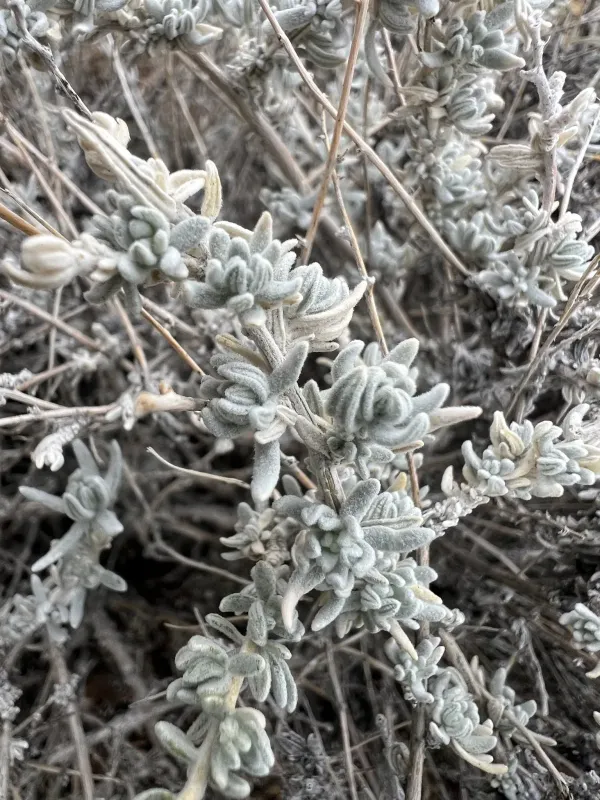
Description
Sowing dates
Seeding of winterfat is primarily conducted during late autumn or early spring. The seeds require specific moisture conditions for germination, and drilling at a depth of 1–2 cm provides the best results.
For uniform stand establishment, consider a seeding rate that ensures 5–10 plants per linear meter. Germination energy is often low if the substrate temperature is not optimal during the spring cycle.
Surface seeding on heavy or crusted soils is generally discouraged due to the risk of desiccation of the seedling roots. Mechanical seed drills with disc openers are highly recommended for soil moisture contact.
During the first year, growth is slow as the plant prioritizes deep root system development. Minimizing weed competition during this establishment phase is critical for long-term survival.
Herbicides must be used with extreme caution during the initial growth stages, as young winterfat seedlings are sensitive to various chemical agents commonly used in rangeland management.
Growing requirements
Winterfat, belonging to the Amaranthaceae family, is a highly adapted xerophyte native to the western arid regions of North America. It thrives in environments where rainfall is scarce.
The plant demonstrates remarkable tolerance to alkaline and saline soils. It excels on rocky or gravelly slopes where nutrient content is minimal and moisture retention is poor.
Climate requirements include high solar radiation and extreme resistance to winter cold. The plant does not tolerate waterlogging, making well-drained landscape positions essential for health.
Its deep taproot allows the plant to access subsoil moisture, which is a key trait for its success in areas receiving less than 200 mm of annual precipitation.
The optimal soil pH for winterfat typically ranges from 7.5 to 9.0, making it an excellent candidate for the reclamation of degraded lands in desert or semi-desert biomes.
Yield
While the biomass yield of winterfat is lower than that of lush lowland grasses, its high nutritional quality during winter makes it an invaluable forage source for livestock.
Protein levels in the leaves and seed heads can remain significantly high throughout the winter, providing critical maintenance energy for ruminants when other forage is dormant.
Biomass production can be enhanced by moderate nitrogen application in the spring, though excessive fertilization may inhibit native root fungi necessary for plant health in harsh soils.
Maximum productivity is typically reached between the third and fifth year of establishment. Properly managed winterfat stands can remain productive for up to two decades.
Hay quality depends heavily on the timing of harvest; the presence of woolly hairs on the foliage requires careful processing to ensure the end product remains palatable to livestock.
Main diseases and pests
Fungal root diseases are the primary threats when the plant is subjected to excessive moisture. Root rot can lead to rapid mortality in young, poorly established stands.
Pests such as weevils and certain moth larvae can damage the reproductive structures, significantly reducing the viability and quantity of the seed crop.
Overgrazing poses the most significant threat to the longevity of winterfat. If animals graze too close to the root crown, the plant loses its ability to recover effectively.
Invasive weed species compete aggressively for limited moisture and nutrients. Regular monitoring and spot-treatment are necessary to keep the stands free from encroachment.
Powdery mildew may occur in areas with high humidity during the flowering stage, potentially reducing the forage quality if left unmanaged.
Harvesting
Harvesting for hay should be performed at the peak of the flowering stage, before the plant becomes too woody or coarse, to ensure maximum nutritional value for livestock.
When utilized as rangeland, rotational grazing is mandatory. Leaving a stubble height of at least 10–15 cm ensures that the plant has sufficient carbohydrate reserves for regrowth.
Seed collection is achieved through direct combine harvesting when seeds reach full maturity. The seeds must be cleaned and dried promptly to prevent mold development.
Stored seeds maintain viability for 3 to 4 years if kept in cool, dry environments. Humidity control in storage facilities is essential to preserve germination potential.
Modern harvesters with adjustable settings are preferred to minimize the loss of delicate leaves and seed heads, which are the most nutritious parts of the winterfat plant.