
Kotschya africana
Kotschya africana
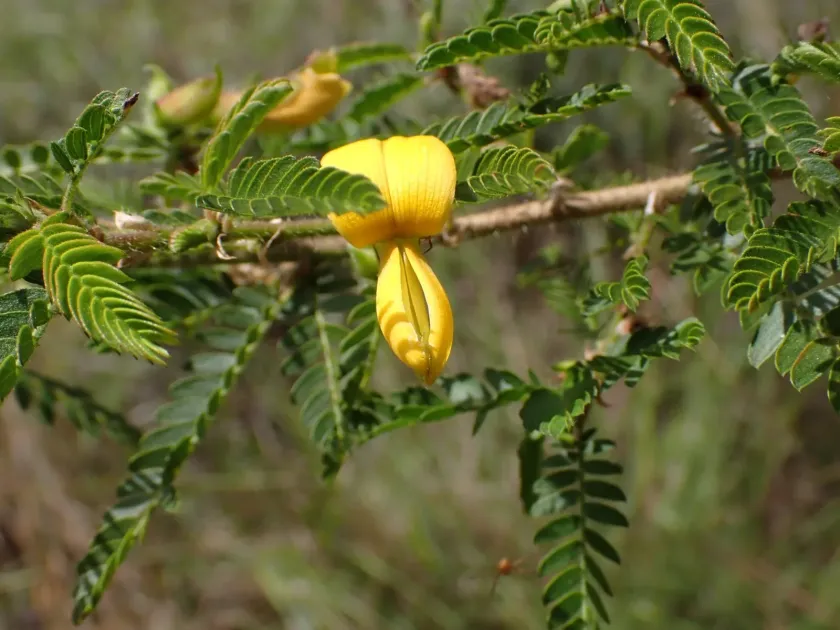
Description
Growing requirements
Kotschya africana is a hardy perennial legume belonging to the Fabaceae family, native to various tropical African ecosystems, including savannas and bushlands.
The plant is characterized by its ability to thrive in diverse soil types, demonstrating high tolerance to low fertility and moisture-stressed environments.
As a legume, it plays a vital ecological role by associating with rhizobia bacteria, which facilitates biological nitrogen fixation in the soil.
Climate requirements include high temperature regimes and a distinct wet season to support active vegetative growth, followed by a dormant period.
Optimal site selection for this plant involves ensuring adequate sunlight exposure, as it is not shade-tolerant and performs best in open field conditions.
Yield
The primary agricultural use of Kotschya africana is as a source of high-quality forage, which is essential for sustaining livestock in tropical regions.
The biomass provides a valuable supply of protein, especially during dry seasons when traditional grasses lose their nutritional quality.
Beyond animal feed, the crop is valued for its capacity to enrich soil structure and replenish nitrogen levels, benefiting overall farm productivity.
Yield metrics for this species are usually measured by biomass accumulation, which can be optimized through sustainable grazing management and controlled harvesting cycles.
Research into this species focuses on its integration into agroforestry systems, where it can provide soil cover while serving as a supplemental feed source.