
Kjellbergiodendron celebicum
Kjellbergiodendron celebicum
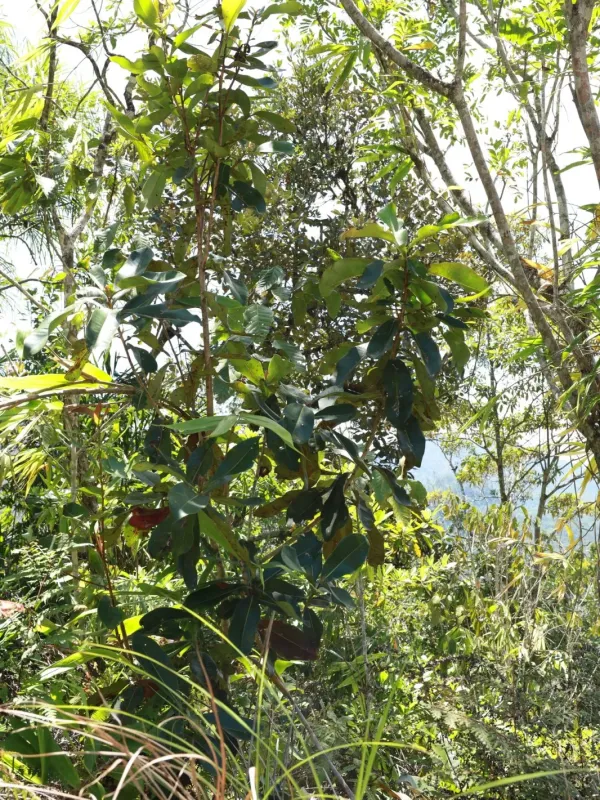
Description
Growing requirements
Kjellbergiodendron celebicum is a notable woody plant species belonging to the Myrtaceae family. It is endemic to the island of Sulawesi in Indonesia, where it thrives in the specific environmental conditions of the equatorial rainforest.
Botanically, the plant exhibits typical traits of the Myrtaceae family, including evergreen foliage and a structure capable of accumulating aromatic compounds. These traits help the tree withstand the intense competition and pest pressures found in dense tropical ecosystems.
For successful growth, this species requires high annual rainfall and consistent, warm temperatures. It flourishes in deep, nutrient-rich soils that provide excellent drainage, ensuring that the roots remain healthy and free from stagnation.
The primary agricultural interest in Kjellbergiodendron celebicum lies in its high-quality timber. The wood is recognized for its density and durability, making it a valuable resource for local construction and high-grade carpentry projects in the region.
Current silvicultural practices focus on sustainable harvesting and forest management. Because of its limited native range, there is an emphasis on integrating this species into agroforestry systems that respect the natural biodiversity of the Sulawesi forests.
Main diseases and pests
The survival of Kjellbergiodendron celebicum is currently threatened by significant habitat fragmentation and deforestation. These environmental changes directly reduce the available land for the species, putting its natural populations at risk.
Fungal pathogens associated with high-humidity environments represent a major threat to the health of the trees. These pathogens often target the bark and inner wood, particularly in specimens that have sustained mechanical damage.
Wood-boring insects are identified as the most critical biological pests for this species. They can rapidly compromise the structural integrity of the trunks, especially in younger trees or those already weakened by environmental stress.
Effective management against these threats requires proactive forest health monitoring. Strategies often include the removal of infected wood and the promotion of healthy tree density to discourage the rapid spread of specialized insects and fungi.
Ongoing research is essential for understanding the long-term resilience of the species. By identifying disease-resistant individuals and promoting reforestation, specialists aim to ensure the preservation of this valuable Myrtaceae member for future generations.