
Kirkianella novae-zelandiae
Kirkianella novae-zelandiae
Description
Growing requirements
Kirkianella novae-zelandiae is a herbaceous perennial belonging to the Asteraceae family. Native to New Zealand, it inhabits a wide range of environments, from coastal cliffs to subalpine meadows, showing remarkable adaptability to harsh conditions.
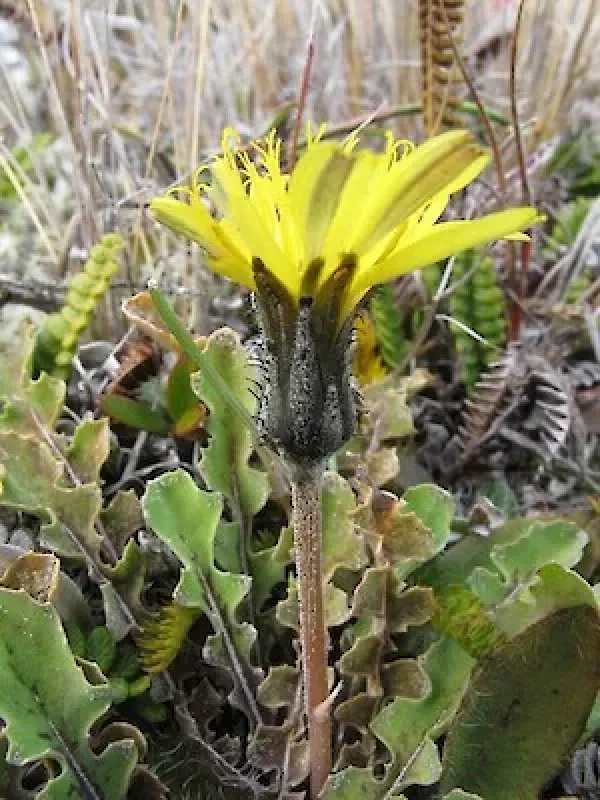
The plant features a basal rosette of leaves and striking composite flowers typical of the daisy family. Its morphological structure is adapted to withstand high winds and direct solar radiation, making it robust in open landscapes.
For successful cultivation, well-draining, gritty soils are essential. The plant thrives in neutral to slightly acidic conditions and is particularly intolerant of waterlogged soil, which can induce root rot during dormant months.
The climate requirements include moderate temperatures and good airflow. While the plant can tolerate short periods of drought, consistent growth is observed in regions with balanced seasonal rainfall and high light exposure.
In field production, site selection is crucial. Avoid heavy, clay-rich soils that retain moisture and inhibit root respiration, as the plant's ecological profile is better suited to light, rocky, or sandy ground.
Yield
The agricultural potential of Kirkianella novae-zelandiae lies in its viability as a specialized pasture crop. Studies indicate its ability to recover after grazing, suggesting high resilience for extensive livestock systems.
Yield metrics for green biomass are currently moderate, depending largely on the nitrogen availability in the soil. Under optimal fertilization, the crop produces a significant leaf yield that contributes to forage density.
Nutritional analysis suggests a balanced profile, making it a potentially valuable component in multi-species pasture mixtures, particularly in areas where conventional grasses struggle due to poor soil fertility.
Seed harvesting requires precision as the seed heads mature sequentially. Mechanized harvesting is challenging due to the delicate nature of the composite fruits, necessitating careful timing to maximize recovery.
Overall economic yield is enhanced when the plant is grown in its preferred high-light conditions, minimizing the need for chemical inputs and supporting sustainable management practices.
Main diseases and pests
Fungal pathogens represent the primary threat to the crop, especially in humid environments. Powdery mildew and root rot are common, particularly when soil drainage is compromised by poor land preparation.
Insects such as aphids may congregate on developing buds, potentially reducing both growth vigor and seed set. Integrated pest management should focus on early detection to avoid heavy reliance on synthetic pesticides.
Weed competition is the most significant hurdle during the plant's establishment phase. Slow early growth necessitates hand-weeding or mechanical cultivation between rows to ensure the crop establishes dominance.
Environmental stress, such as extreme late-season humidity, can lead to foliage decay. Maintaining clean, open crop spacing is an effective strategy to mitigate the risk of disease spread through leaf contact.
- Monitor for signs of root-feeding pests.
- Ensure proper surface drainage to reduce fungal exposure.
- Use certified seed lots to prevent the introduction of soil-borne pathogens.