
Kielmeyera coriacea
Kielmeyera coriacea
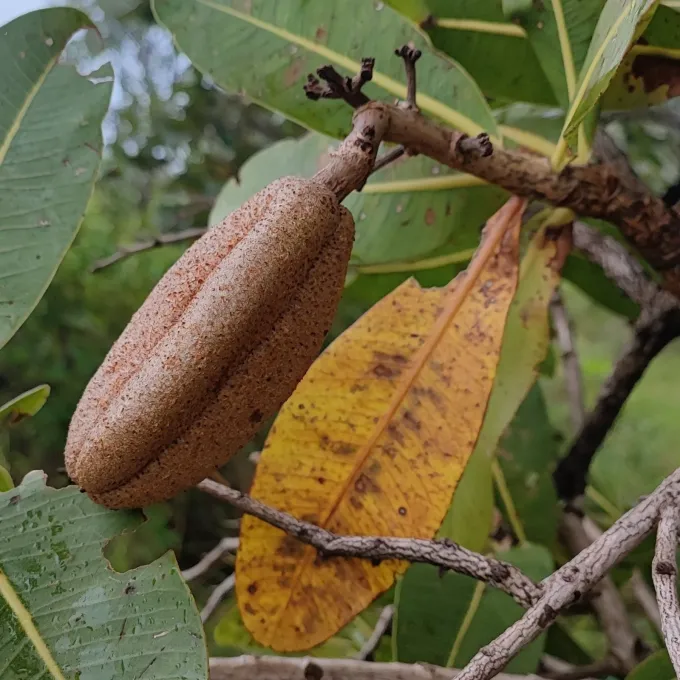
Description
Growing requirements
Kielmeyera coriacea is an evergreen woody species belonging to the Clusiaceae family. Native to the Cerrado region of Brazil, this plant has evolved to thrive in nutrient-poor, acidic soils that characterize tropical savanna ecosystems.
The plant is highly drought-tolerant, possessing thick, coriaceous leaves that minimize transpirational water loss. Its root system is exceptionally efficient, capable of mining deep-seated water resources during the extended dry season characteristic of its habitat.
Sunlight is the primary energy source for this species, requiring full exposure for optimal photosynthetic activity. It thrives in warm climates with temperatures consistently above 20°C and is adapted to the specific light intensity found in high-altitude tropical plains.
In terms of agronomy, soil preparation should focus on ensuring superior drainage rather than enrichment. Excessive fertilization can often be counterproductive, as the species is adapted to low-fertility conditions and may become susceptible to stress if nutrient levels are forced.
The economic significance of Kielmeyera coriacea lies in its rich secondary metabolite profile. The plant is widely studied for its phytochemical properties, including xanthones and benzophenones, which have demonstrated potential in pharmaceutical research and antimicrobial applications.
Main diseases and pests
Pest management for Kielmeyera coriacea involves monitoring for localized folivorous insects that have adapted to its thick, leathery leaf architecture. Consistent surveillance is essential to prevent defoliation during the peak growth months.
Fungal diseases primarily pose a risk in nursery settings where humidity levels might exceed the plant's natural tolerance. Over-irrigation frequently leads to the development of leaf spots, which can weaken the specimen's overall physiological vigor.
Root rot is the most significant threat to plant health, usually triggered by poor soil structure or stagnant water. Providing a well-aerated medium is critical for maintaining the health of the root system and preventing opportunistic pathogen colonization.
Environmental stressors such as unmanaged fire cycles can impede the establishment of new plants, despite the species' natural resilience to fire. Proper site management is required to balance ecological fire exposure with the need for successful sapling development.
Integrated pest management strategies focusing on cultural control, such as spacing plants to allow for airflow and minimizing damp microclimates, are the most effective ways to ensure the longevity and productivity of a Kielmeyera stand.