
Kiaeria falcata
Kiaeria falcata
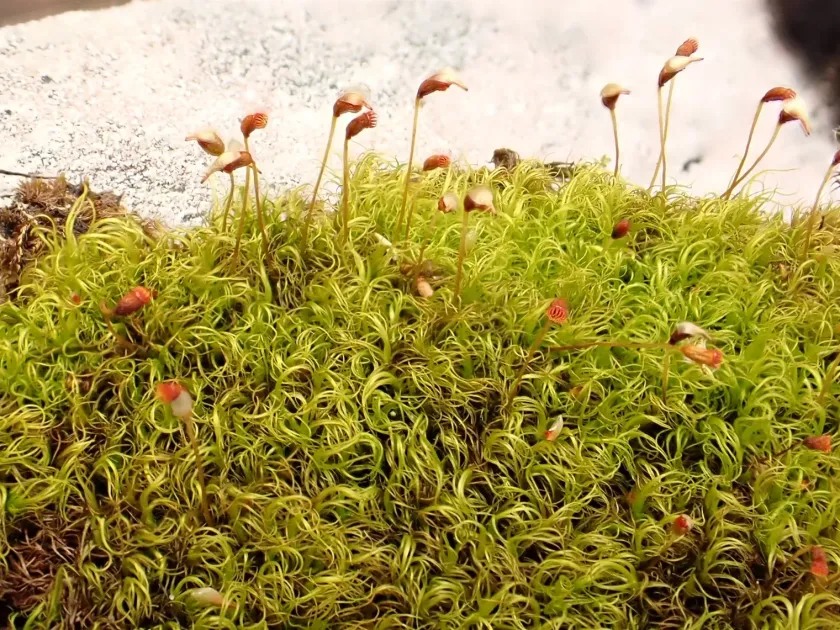
Description
Growing requirements
Kiaeria falcata is a species of acrocarpous moss belonging to the family Dicranaceae. It is widely recognized as an arctic-alpine plant, specifically adapted to survive in harsh, cold environments where many other plant species fail to colonize.
The distribution of this species covers high-latitude regions and mountainous areas. It is typically found on wet, non-calcareous rocks or in soil depressions where meltwater accumulates during the short summer growing season in the tundra.
Ecologically, Kiaeria falcata prefers acidic substrates with minimal nutrient content. It functions as a pioneer species on unstable rock surfaces, helping to bind the substrate together and facilitating the slow process of soil formation in extreme climates.
While not a traditional agricultural crop, the species is studied in botany for its resilience to freezing temperatures and drought. It requires high atmospheric humidity and cold temperatures to maintain its metabolic activities and reproductive cycles.
Unlike commercial moss cultivation, this species is not subjected to standard agronomic practices such as sowing or fertilization. Its conservation is primarily linked to the protection of pristine mountain and polar ecosystems from climate change impacts.