
Kanakomyrtus longipetiolata
Kanakomyrtus longipetiolata
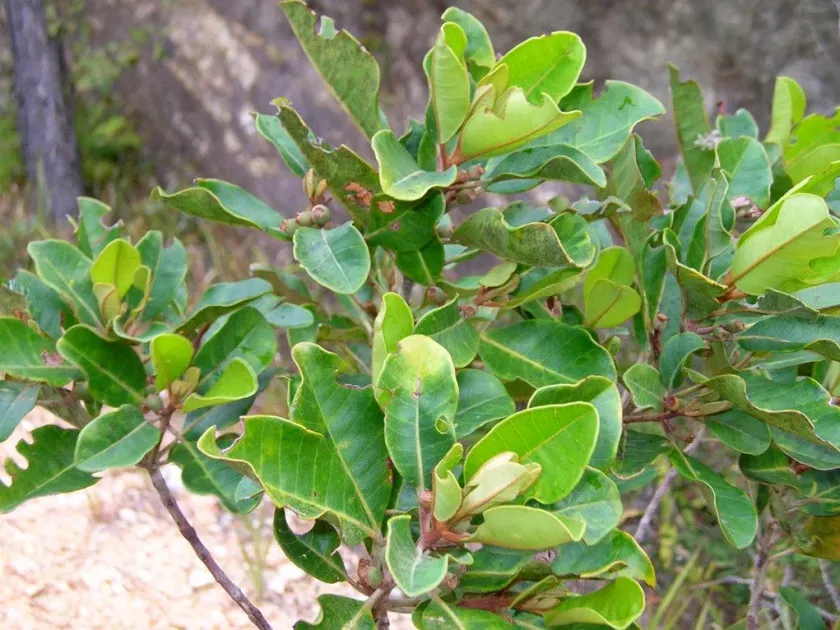
Description
Growing requirements
Kanakomyrtus longipetiolata belongs to the Myrtaceae family, a group known for its aromatic foliage and diverse botanical forms. This specific species is native to the restricted regions of New Caledonia, thriving in specialized island microclimates.
The plant requires a high level of ambient humidity and moderate to warm temperatures throughout the year to maintain optimal metabolic activity. It cannot withstand freezing conditions or prolonged periods of drought.
For cultivation, well-draining, slightly acidic soil is essential. A mixture composed of organic leaf litter, peat, and mineral additives provides the best structure for healthy root system development.
Botanically, the species is defined by its long petioles and leathery, lanceolate leaves, which are adaptations to optimize photosynthesis in shaded forest understories. The plant growth habit is typically shrubby to small tree-like.
Economic and agricultural usage is largely centered on scientific study and specialized ornamental horticulture. It is highly valued in botanical collections for its rarity and evolutionary significance within the Myrtaceae family.
Main diseases and pests
The primary threats include fungal pathogens such as Phytophthora and Pythium, which thrive in waterlogged soil conditions and compromise the structural integrity of the roots.
Insect pests such as scale insects and mealybugs are frequently observed on young shoots, extracting sap and weakening the plant's overall vigor.
Effective management requires a strict monitoring schedule for early detection of infestations and the maintenance of proper air circulation within the canopy.
Using sterile growing media is a critical preventive measure against soil-borne pathogens that often affect sensitive Myrtaceae species.
Strategic pruning of infected plant parts is necessary to contain the spread of diseases and maintain the long-term health of the crop in a controlled environment.