
Justicia pilosella
Justicia pilosella
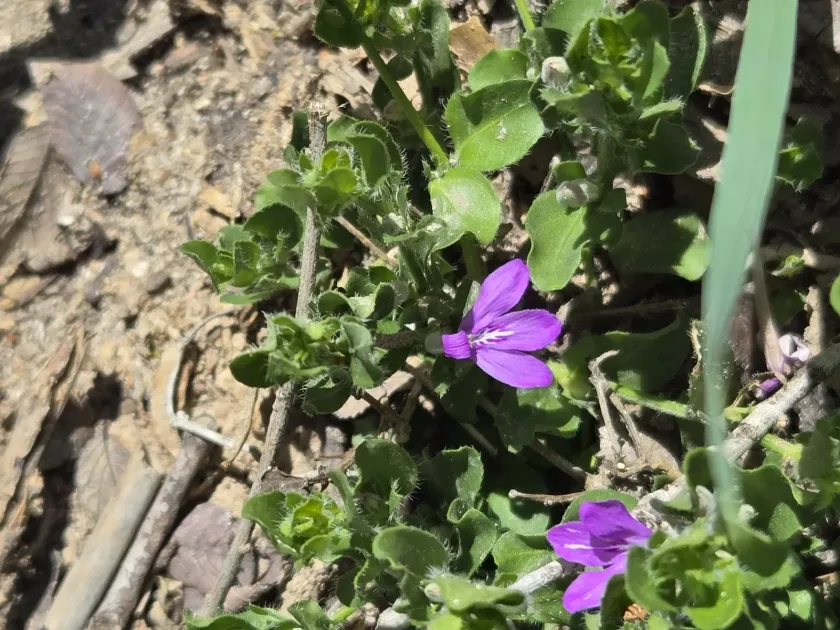
Description
Growing requirements
Justicia pilosella is a perennial herbaceous plant belonging to the Acanthaceae family. It originates from the tropical regions of South America, where it typically inhabits shaded and humid forest floor environments.
The plant thrives in stable temperature conditions ranging from 20 to 25 degrees Celsius. Being a tropical species, it is highly sensitive to cold drafts and sudden drops in temperature, which can inhibit its growth and cause leaf damage.
Soil requirements involve a well-draining yet moisture-retentive substrate. A mixture of peat moss, organic compost, and perlite is ideal for providing the necessary nutrient density and root aeration for healthy development.
Maintaining high air humidity, specifically around 60–70 percent, is crucial for the optimal development of Justicia pilosella. Providing regular misting or using a humidifier is highly recommended to prevent leaf desiccation.
The plant requires bright but indirect light to maintain its decorative value. Direct sunlight should be avoided during peak intensity hours, as it can cause significant leaf burn and compromise the overall structure of the plant.
Main diseases and pests
Spider mites represent a major pest threat, especially in environments where humidity levels are not consistently maintained. These pests thrive in dry air and can quickly infest the foliage, causing visible chlorosis and webbing.
Root rot is the most common physiological issue caused by poor drainage or excessive irrigation. Ensuring that the pot has proper drainage holes and that the soil is allowed to dry slightly between waterings is vital for plant health.
Powdery mildew may occur if air circulation is restricted around the plant. This fungal infection manifests as a dusty white coating on the leaves and requires localized treatment with fungicides if it becomes persistent.
Mealybugs can occasionally colonize the stem junctions and leaf undersides, drawing sap and weakening the plant. Manual removal or the use of neem-based insecticides is generally effective for controlling these insects.
Leaf spot diseases can occur due to prolonged leaf wetness combined with poor ventilation. To mitigate this risk, it is important to ensure that water is applied directly to the soil rather than over the canopy during late evening hours.