
Justicia pectoralis
Justicia pectoralis
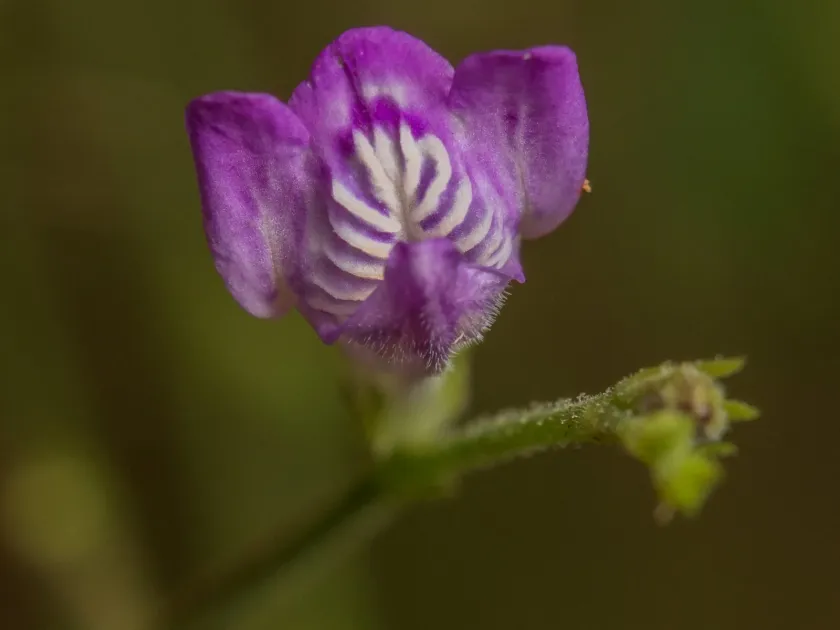
Description
Sowing dates
Justicia pectoralis is a perennial herbaceous plant from the Acanthaceae family, widely recognized for its medicinal properties and content of coumarin. In agricultural contexts, it is primarily managed for its leaf and stem biomass.
Propagation is most efficiently achieved through stem cuttings, which ensure rapid establishment and clonal uniformity. Cuttings are typically taken from healthy, disease-free mother plants and placed in a humid substrate.
The optimal planting time in tropical regions is throughout the year, provided there is sufficient moisture. In temperate zones, it must be grown in controlled greenhouse environments to maintain the necessary heat levels.
Soil preparation requires a loose, well-draining medium rich in organic matter. A pH range of 6.0 to 7.0 is ideal for maximizing the uptake of essential nutrients during the early vegetative growth stages.
Planting density should be carefully managed to allow for adequate airflow between plants, which is crucial for preventing fungal infections that often occur in the dense canopy of this species.
Growing requirements
As a tropical native, Justicia pectoralis demands consistent warmth. It thrives best in temperatures between 22 and 28 degrees Celsius, and exposure to cold or frost will severely damage or kill the plant.
High relative humidity is vital for this crop, ideally maintained between 70% and 80%. When humidity drops, the plants show signs of stress, and leaf quality significantly declines, impacting the final harvest.
While the plant requires abundant light for photosynthesis, direct harsh sunlight can scorch the leaves. Therefore, shading screens are commonly used in commercial cultivation to maintain a filtered light environment.
Consistent soil moisture is essential; the plant should never be allowed to dry out completely. Drip irrigation systems are the most effective way to ensure uniform moisture levels across the entire plantation.
Regular fertilization with nitrogen-rich organic compounds is recommended to sustain the continuous growth of green biomass, which is the primary objective of commercial cultivation.
Yield
The yield of Justicia pectoralis consists of harvested aerial parts, which are subsequently dried and processed. This plant is a significant source of coumarin, used in various herbal extracts and teas.
Advanced agricultural practices, including frequent pruning and balanced nutrition, can result in multiple harvests per year. With proper management, growers can achieve significant biomass production per hectare.
Harvest cycles are typically determined by the plant's growth stage; the highest concentration of active pharmaceutical ingredients is usually found just before the flowering stage begins.
Yield efficiency depends heavily on the plant's ability to regenerate. After each harvest, a short rest period followed by precise fertilization encourages rapid shoot production for the next cycle.
Proper post-harvest handling is critical. Because the leaves contain volatile aromatic compounds, immediate processing is required to preserve the quality and market value of the crop.
Main diseases and pests
Spider mites and whiteflies are the most common pests affecting Justicia pectoralis, particularly in closed-environment settings. They feed on the underside of leaves, causing yellowing and growth retardation.
Fungal pathogens such as powdery mildew and root rot represent major threats, often exacerbated by stagnant air or waterlogged soil conditions in intensive cultivation systems.
Integrated pest management (IPM) is highly recommended for this crop. Using biological control agents and organic soaps is preferred to avoid chemical residues, which are unacceptable for medicinal raw materials.
Good sanitation practices, including the removal of dead leaves and maintenance of proper spacing, are the first lines of defense against most infectious diseases in Justicia plantations.
Regular monitoring of irrigation water quality is necessary, as pathogens can easily be introduced to the root zone through contaminated water sources if proper filtration is not in place.
Harvesting
Harvesting is performed by manually or mechanically cutting the stems approximately 15 cm above the ground. This method protects the root system and ensures the plant will regrow efficiently.
Collected material must be moved immediately to a processing site to prevent heat build-up. Excess heat can cause oxidation, which reduces the medicinal potency and fragrance of the dry herb.
Drying should occur in shaded, well-ventilated areas with temperatures kept under 40 degrees Celsius. This slow, controlled drying preserves the volatile compounds and ensures a high-quality final product.
Once dried, the raw material should be sorted to remove any impurities, such as stems that are too thick or leaves that may have turned brown during the drying process.
Final storage must be in moisture-proof, dark containers to prevent the degradation of chemical compounds by light and humidity, ensuring a stable shelf life for the dried biomass.