
Justicia martinsoniana
Justicia martinsoniana
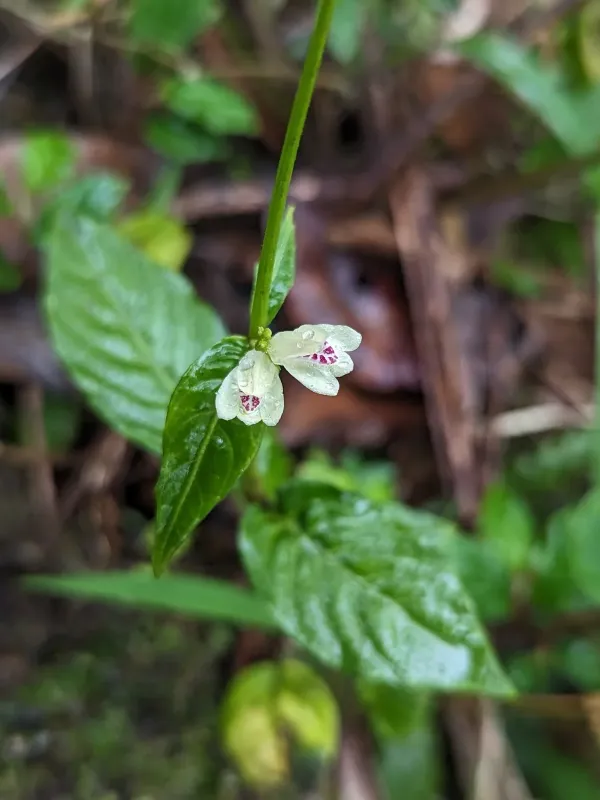
Description
Growing requirements
Justicia martinsoniana is a notable ornamental shrub belonging to the Acanthaceae family. Originating from the tropical regions of Colombia, this plant is well-regarded for its distinctive, vibrant inflorescences and lush, dark green foliage, making it a popular choice for indoor gardens.
The species requires a stable tropical environment to thrive, ideally with temperatures ranging between 20 and 26 degrees Celsius. It is highly sensitive to cold temperatures and must be protected from frost and sudden temperature drops, which can lead to leaf drop or plant death.
For soil requirements, it prefers a nutrient-rich, well-draining substrate. A mix of peat, perlite, and organic compost is generally recommended to provide the necessary moisture retention while ensuring excess water can easily drain away from the root system to prevent rot.
High relative humidity is essential for the healthy growth of Justicia martinsoniana. Maintaining a humidity level of at least 70% is recommended. Without adequate moisture in the air, the tips of the leaves often turn brown and brittle, significantly reducing the plant's aesthetic value.
Light requirements involve bright but indirect sunlight. If kept indoors, placing the plant near an east-facing window is ideal. Avoid direct southern exposure during midday, as intense sunlight can scorch the delicate leaves and disrupt the blooming cycle of the plant.
Main diseases and pests
Pests that commonly infest Justicia martinsoniana include spider mites, mealybugs, and scale insects. These pests thrive in dry environments and can quickly colonize the undersides of leaves and leaf axils, sucking the sap and weakening the overall plant structure.
Fungal diseases, particularly root rot, represent a major threat, usually triggered by overwatering or poorly drained soil. If the soil remains saturated for long periods, the roots become susceptible to decay, which is often irreversible if not detected early.
Effective pest management involves regular inspections and maintaining clean growing conditions. If an infestation is identified, systemic insecticides or neem oil treatments are recommended to eradicate the population without causing harm to the plant's tissues.
For fungal prevention, it is crucial to allow the top layer of the soil to dry out slightly between waterings. Ensuring good air circulation around the plant helps prevent the buildup of stagnant humidity, which is a key trigger for mold and leaf spotting diseases.
Proper sanitation, such as removing fallen leaves and pruning dead or diseased branches, further minimizes the risk of pathogen spread. A healthy, well-fed plant is significantly more resistant to these common environmental threats.