
Justicia khasiana
Justicia khasiana
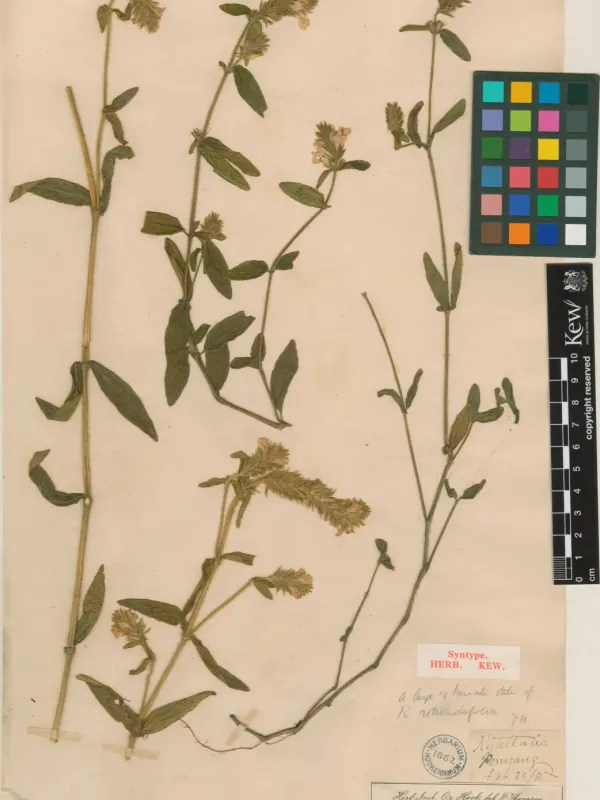
Description
Growing requirements
Justicia khasiana is a plant species belonging to the Acanthaceae family. Originally found in the mountain regions of Northeast India, specifically the Khasi Hills, it thrives in high-humidity environments typical of subtropical forest understories.
The plant requires diffused light and consistently stable temperatures to reach its full development potential. Avoid exposure to harsh midday sunlight, which can damage the foliage; providing a shaded environment is essential for successful cultivation in greenhouses.
Soil requirements focus on high organic content, excellent drainage, and a slightly acidic to neutral pH level. A well-aerated substrate prevents the compacting of roots and allows for proper nutrient absorption throughout the growing season.
Agricultural management includes precise irrigation cycles, ensuring the soil remains moist but not saturated. Fertilization with a balanced, water-soluble fertilizer during the peak growing months significantly enhances foliage quality and blooming vigor.
Hostile climatic shifts, such as sudden drops in temperature or drafts, should be avoided. The plant is primarily utilized in horticulture as a decorative subject, appreciated for its botanical uniqueness and its aesthetic appeal in indoor conservatory settings.
Main diseases and pests
Root rot is the most significant threat to Justicia khasiana, typically caused by improper drainage or excessive water retention in the potting mix. Maintaining proper moisture levels is crucial to prevent the collapse of the root architecture.
Spider mites are the most common pests affecting this culture, especially in low-humidity conditions. These pests thrive in dry air and can quickly weaken the plant, leading to stunted growth and leaf discoloration if left untreated.
Effective management of pest populations involves both chemical control through systemic acaricides and cultural control, such as increasing ambient humidity and ensuring adequate air circulation around the canopy.
Fungal pathogens such as powdery mildew can be an issue in poorly ventilated areas. Preventive care includes removing debris, keeping leaves clean, and ensuring the foliage dries out reasonably after occasional misting.
Regular monitoring of the plant allows for early detection of potential threats. Pruning away damaged or diseased tissue maintains the overall health of the specimen and facilitates better air movement, reducing the likelihood of infection spread.