
Justicia incana
Justicia incana
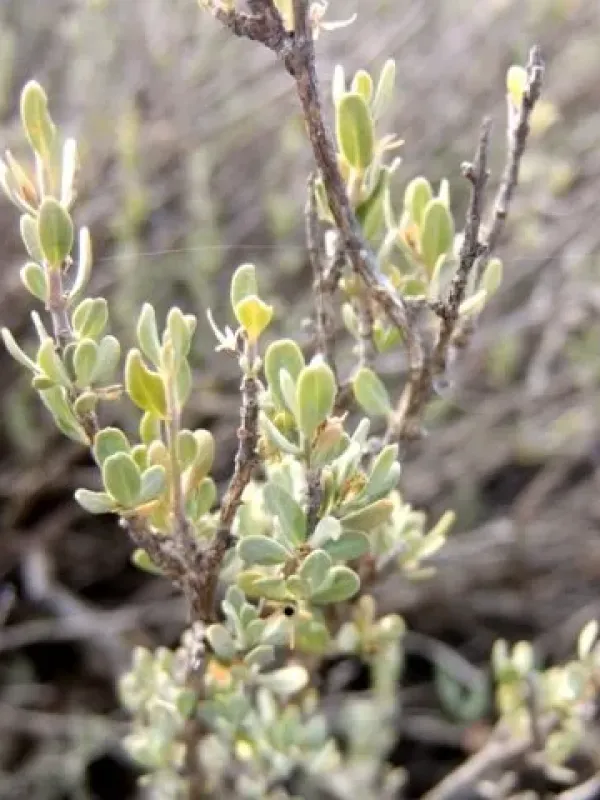
Description
Growing requirements
Justicia incana is a member of the Acanthaceae family, a group of plants well-known for their unique floral structures and foliage. This specific species is recognized for its subtle, greyish pubescence on the leaves, which gives it a distinct appearance.
The plant originates from the tropical regions of South America. It typically thrives in humid, shaded forest environments where the soil is rich in organic matter and maintains a consistent moisture level throughout the year.
For successful cultivation, the plant requires filtered light, as direct sun can scorch its delicate foliage. A temperature range between 20°C and 25°C is ideal for promoting healthy leaf development and flowering.
The substrate should be well-drained and slightly acidic. It is essential to avoid waterlogging the root system, as this species is particularly susceptible to root rot if the soil remains excessively saturated.
Agricultural practices include consistent but moderate fertilization during the growing season. Pruning is recommended to maintain a compact, bushy shape and to remove any damaged or unproductive stems.
Main diseases and pests
Common pests affecting this species include spider mites, which are particularly troublesome in low-humidity environments. They cluster on the undersides of leaves, drawing nutrients and causing chlorosis.
Fungal infections such as powdery mildew can occur if there is insufficient air circulation. This appears as a powdery white substance on the foliage and requires prompt intervention with fungicides.
Root rot is the most significant threat to plant health, usually caused by overwatering or poor drainage systems. Identifying the symptoms early—such as wilting despite damp soil—is crucial for treatment.
Scale insects can also infest the stems of the plant, weakening it over time. Regular physical inspection and wiping down the leaves with a mild soapy solution help in early prevention.
Overall plant vitality is highly dependent on environmental stability. Preventing extreme temperature fluctuations and ensuring adequate ventilation are the best defensive strategies against both pests and disease.