
Justicia genistifolia
Justicia genistifolia
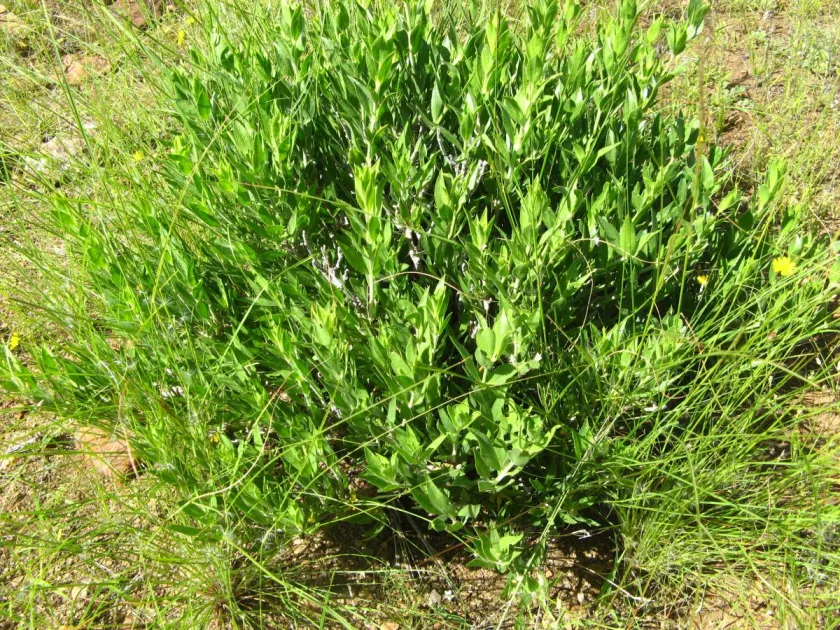
Description
Sowing dates
Justicia genistifolia is a member of the Acanthaceae family, known for its unique genista-like foliage. It is an interesting subject for both botanical studies and controlled-environment horticulture.
Propagation is typically achieved through seeds sown in early spring within greenhouses. The soil temperature must be maintained between 22 and 24 degrees Celsius to ensure high germination rates.
A well-draining, nutrient-rich substrate is essential for seed development. The seeds should be lightly covered with soil to allow adequate gas exchange and moisture retention during the initial stages.
Seedlings should be thinned out or transplanted once they develop at least two sets of true leaves. This promotes stronger stems and a better-developed root system in each individual plant.
Consistency in lighting and temperature during the early stages of life is paramount to preventing etiolation, ensuring the plants remain sturdy and compact for their future growth cycle.
Growing requirements
The plant thrives in bright, indirect light. Prolonged exposure to intense, direct sunlight can result in leaf scorching and stress, especially if the humidity levels are insufficient.
Soil requirements focus on fertility and drainage. A loamy soil mix with added perlite or organic matter provides the ideal structure for maintaining healthy root respiration.
Watering practices should be balanced, focusing on keeping the substrate moist but not waterlogged. Overwatering is the most common mistake that leads to root rot in this species.
Humidity management is crucial for the overall vigor of Justicia genistifolia. The plants benefit from regular misting, especially during periods of high ambient temperature or indoor heating.
Nutritional needs are met through regular fertilization during the peak growing season. A balanced liquid fertilizer applied bi-weekly helps maintain the foliage's health and luster.
Main diseases and pests
Spider mites are a primary concern, particularly in environments with poor air circulation or low humidity. These pests can rapidly proliferate if not managed early.
Whiteflies can also cause significant damage by feeding on plant sap. Early detection is key, often involving the inspection of the undersides of the leaves for small larvae or adults.
Root rot, driven by overwatering or poor drainage, is a lethal threat to the plant. It can be identified by wilting symptoms even when the soil remains constantly saturated.
Effective pest management involves the use of environmentally safe insecticides or horticultural oils applied at the first sign of infestation to preserve plant health.
Maintaining a clean growing environment by removing debris and ensuring proper spacing between plants helps reduce the incidence of fungal and pest-related outbreaks significantly.