
Jubaea chilensis
Jubaea chilensis
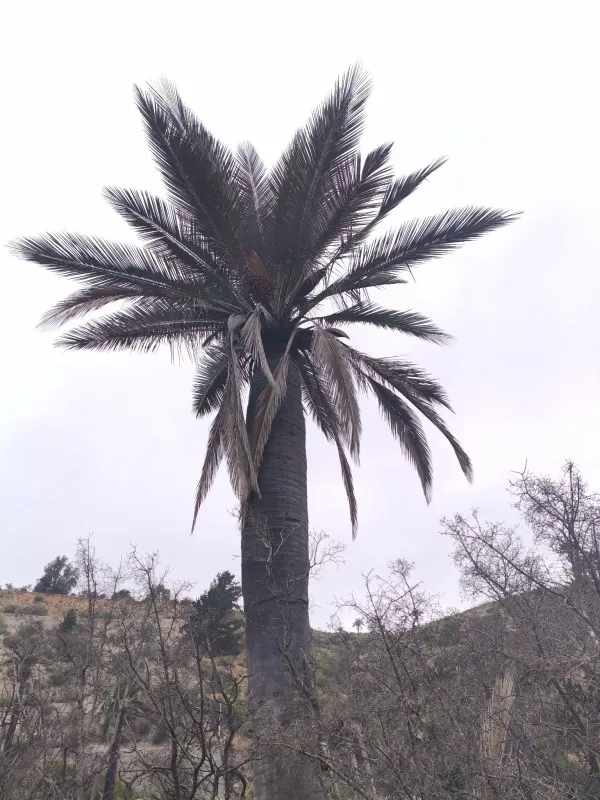
Description
Sowing dates
Propagation of Jubaea chilensis is primarily performed through seeds. The germination process is exceptionally slow and demanding, often requiring between six months to two years while maintaining a stable temperature of approximately 25–28 degrees Celsius.
Prior to sowing, it is recommended to scarify the seeds and soak them in warm water to soften the hard endocarp. Seeds should be planted in a loose, well-draining substrate at a depth of 2–3 centimeters, ensuring constant soil moisture throughout the incubation period.
In natural habitats, self-seeding is rare due to the consumption of fruits by rodents and birds. Therefore, in agricultural practice, controlled sowing in specialized nurseries is the only reliable method for obtaining healthy seedlings.
Young seedlings grow extremely slowly, forming only a small rosette of leaves in the first years of life. Transplanting should be conducted with extreme caution to avoid damaging the sensitive and fragile root system.
The optimal time for starting the propagation process is the spring season, when increasing daylight hours provide the necessary conditions for the plants to thrive during the initial phase of their vegetation.
Growing requirements
Jubaea chilensis belongs to the Arecaceae family and is considered one of the most cold-hardy palms in the world. Mature specimens can withstand short-term temperature drops as low as -12 to -15 degrees Celsius, making them suitable for temperate Mediterranean-like climates.
The crop has high light requirements: full sun exposure is essential for the healthy development of this palm. Lack of adequate sunlight leads to elongated stems and a significant reduction in the plant's ornamental and biological quality.
The plant is moderately demanding regarding soil, preferring deep, well-draining ground. It cannot tolerate waterlogging, which promotes the development of root rot; therefore, creating a proper drainage layer is crucial when planting in heavy clay soils.
Maintaining air and soil moisture during the active growth period is a key success factor. While mature palms are relatively drought-tolerant, regular irrigation during hot summer months significantly increases biomass growth rates.
Unlike many tropical species, this palm adapts well to dry air, allowing it to be used in landscaping for regions with seasonal drought, provided that basic irrigation levels are maintained during the establishment phase.
Yield
The economic significance of Jubaea chilensis is primarily linked to the production of "palm honey" (miel de palma). This thick syrup is obtained by evaporating the sap extracted from the trunk of a mature plant.
The harvesting process is drastic, requiring the palm to be cut down, as the plant cannot regenerate after the apical meristem is damaged. A single mature tree, aged 40–60 years, can yield several hundred liters of sweet sap.
The fruits of the Chilean wine palm also hold nutritional value. They contain an oily kernel rich in fatty acids and an edible pulp. In the regions where it grows, the fruits are used in the confectionery industry to produce various desserts.
The leaves of the palm are widely used in local traditional crafts. They are used to weave baskets, hats, and mats, and also serve as a roofing material for temporary agricultural structures in rural areas.
Due to the plant's extremely slow growth rate, commercial exploitation requires long-term planning, as the tree only reaches a productive stage several decades after initial planting.
Main diseases and pests
The main pest affecting Jubaea chilensis in its growing zones is the palm weevil. This insect is capable of destroying the trunk by laying eggs in the soft tissues of the crown, after which the larvae bore internal galleries.
Fungal infections typically arise due to poor agricultural practices, particularly in conditions of over-irrigation. Root rot is the most dangerous condition, as it is often difficult to detect during the early stages of the disease.
The leaves are susceptible to scale insects and mealybugs. These pests feed on the cellular sap, leading to the deformation of the leaf blades and weakening the overall immunity of the palm tree.
To prevent the spread of diseases and pests, sanitary pruning of dead leaves and regular disinfection of tools used during palm maintenance are of paramount importance for the health of the plantation.
In cases of heavy pest infestation, systemic insecticides are applied. However, preventative treatments during the active vegetation season remain the most reliable method for long-term pest control and management.