
Johrenia dichotoma
Johrenia dichotoma
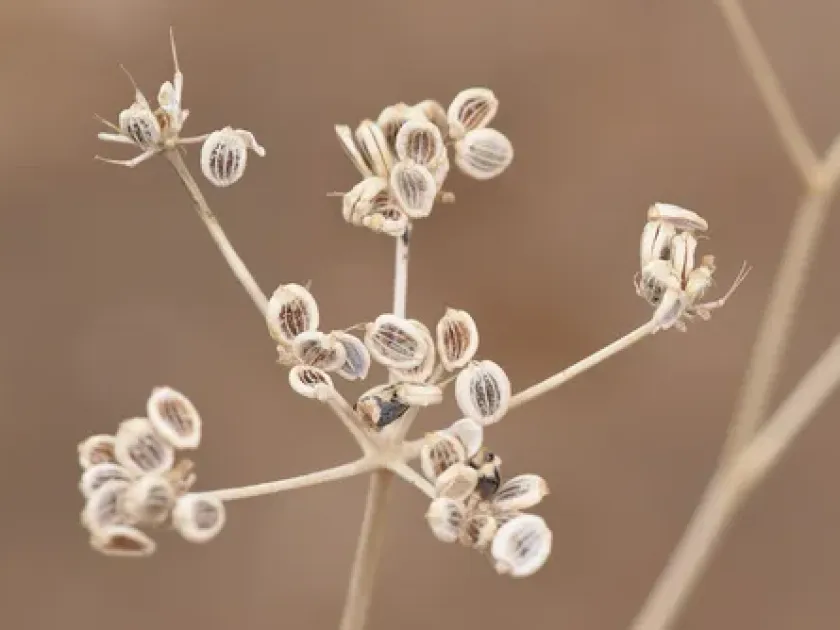
Description
Growing requirements
Johrenia dichotoma is a perennial herbaceous plant belonging to the Apiaceae (carrot or parsley) family. It is native to arid and semi-arid regions, showing high adaptation to harsh environmental conditions and rocky soils.
This crop thrives in well-drained, porous soils that prevent water stagnation. Its ecological niche is characterized by high solar irradiance and significant fluctuations in seasonal temperatures, making it a robust species for dryland regions.
The plant demonstrates a sophisticated biological strategy for surviving water scarcity, primarily through a deep, well-developed root system. This architecture allows the plant to access moisture reserves that are unavailable to shallower species.
Regarding its morphology, Johrenia dichotoma typically exhibits a branched, umbelliferous growth habit. Its foliage is adapted to minimize transpiration, which is a key trait for survival in its natural habitat across the Middle East and Caucasus.
In terms of agricultural utility, it holds potential as a forage resource in arid pastoral systems and as a source of phytochemicals of interest for the pharmaceutical industry, given the diverse secondary metabolites present in the Apiaceae family.
Main diseases and pests
The primary threats to Johrenia dichotoma in a cultivation setting involve fungal pathogens, particularly those triggered by excessive humidity. Root rot can occur if soil drainage is insufficient, leading to plant mortality.
Pest pressure is mainly attributed to insects that target umbelliferous crops, such as aphids and specialized coleopterans. These pests can damage flowers and seeds, significantly impacting the reproductive potential of the plant.
Weed infestation presents a major obstacle during the seedling establishment phase. Without proper mechanical weeding or site preparation, the crop may be outcompeted for light and nutrients by faster-growing species.
Virus transmission by insect vectors remains a risk for perennial Apiaceae crops. Maintaining good field hygiene and monitoring pest populations are essential strategies to prevent the spread of diseases.
Environmental stress, such as unseasonal frost or extreme heatwaves during critical growth stages, may impact the crop vigor. However, the species' inherent toughness generally makes it a reliable plant once established.