
Kousa dogwood
Cornus kousa Burger ex Hance
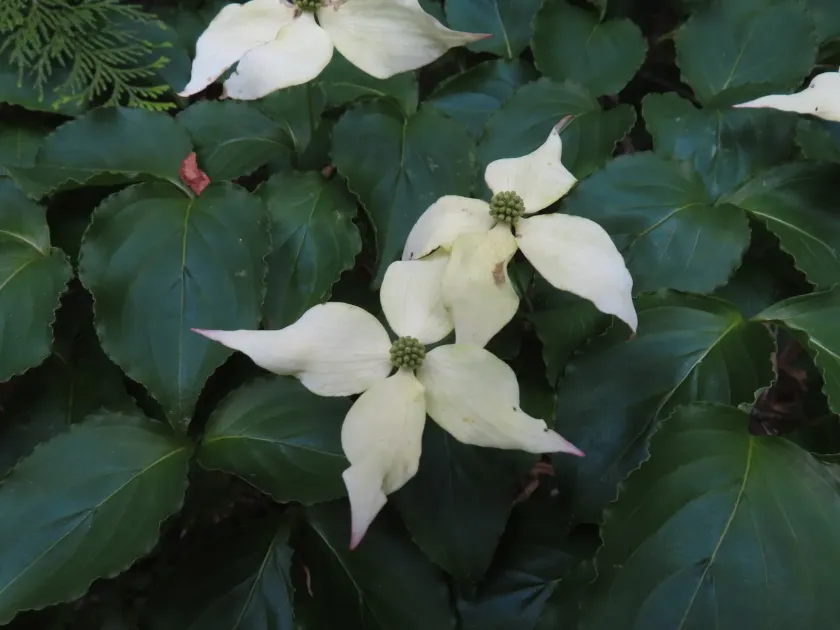
Description
Sowing dates
Seeds of Cornus kousa require a cold stratification period of several months to break dormancy. For best results, sow fresh seeds in autumn into a well-drained, sterile potting medium.
If sowing in spring, seeds must be kept in a cold, moist environment before planting. Once sown, maintain a consistent temperature and moisture level until germination, which can be slow and sporadic.
Seedlings develop quite slowly during their first years of life. It is recommended to keep them in containers or a sheltered nursery bed, protecting them from harsh sunlight and extreme weather.
For gardeners looking to maintain specific cultivar traits, propagation via cuttings is the preferred method. Cuttings should be taken in mid-summer and treated with rooting hormones to ensure success.
When the young plants reach an appropriate size, they can be transplanted to their permanent location. Early spring is the optimal time for planting to allow the root system to establish before the heat of summer.
Growing requirements
Kousa dogwood is a member of the Cornaceae family that thrives in temperate climates. It prefers sunny locations but benefits from light shade during the hottest part of the day in warmer regions.
The ideal soil is rich, well-draining, and slightly acidic. It is critical to ensure that the planting site has excellent drainage, as the roots are highly susceptible to rot in waterlogged conditions.
Regular watering is essential, especially during dry spells and the first few years after planting. Applying organic mulch, such as pine bark, helps maintain soil moisture and protects the root zone from temperature extremes.
The tree generally reaches a manageable height and develops a beautiful vase-shaped habit. Minimal structural pruning is required, mostly focused on removing dead or crossing branches to maintain tree health.
Fertilization with a balanced slow-release fertilizer in early spring supports vigorous growth. Avoid heavy nitrogen applications late in the season to prevent tender growth that could be damaged by winter frost.
Yield
Kousa dogwood is highly valued for its edible fruits, which resemble small raspberries in appearance. When fully ripe, the flesh is sweet, creamy, and can be eaten fresh or used in culinary applications.
Harvesting is best done when the fruit turns a deep pink or red and becomes slightly soft to the touch. The fruit ripens over a period of time, allowing for multiple small harvests throughout the late summer and early autumn.
In the kitchen, the fruit is used to make jams, jellies, and flavorful syrups. It is rich in antioxidants, contributing to its growing popularity among gardeners interested in functional landscapes.
The wood of this species is notably hard and dense, historically utilized for tool handles and small crafts. Today, its primary utility remains ornamental, serving as a focal point in landscapes.
The tree is celebrated for its stunning display of pointed bracts that appear in early summer. These bracts mimic flowers and last for several weeks, providing long-lasting aesthetic appeal.
Main diseases and pests
The most significant disease threat to Cornus kousa is Dogwood Anthracnose, caused by the fungus Discula destructiva. It causes leaf spotting and branch dieback, which can weaken the tree significantly.
Powdery mildew is a common issue during periods of high humidity and poor airflow. Proper pruning to open up the canopy can significantly reduce the incidence of this fungal infection.
Pests like aphids and scale insects may occasionally infest the tree, feeding on the sap of young branches. These are usually managed through regular monitoring and appropriate horticultural oils or insecticides.
Root rot remains a concern if the soil does not provide adequate drainage. It is important to plant the tree at the correct depth and ensure the soil profile supports aeration.
Sanitation is key to disease management. Always rake up and dispose of fallen leaves in autumn to prevent fungal spores from overwintering and reinfecting the tree in the following season.