
Jankaea heldreichii
Jankaea heldreichii
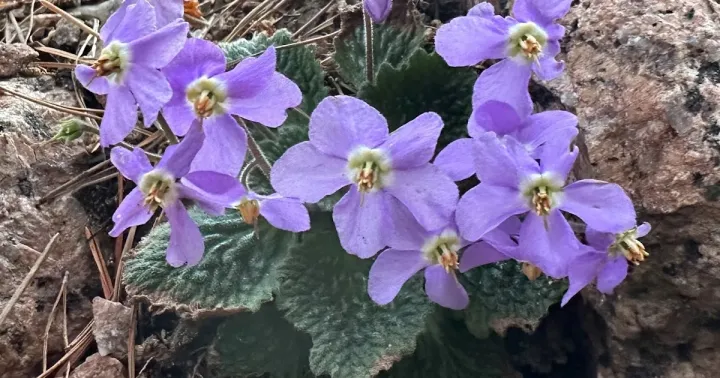
Description
Growing requirements
Jankaea heldreichii is a remarkable plant belonging to the Gesneriaceae family. Originating from the limestone crevices of Mount Olympus in Greece, this perennial plant is celebrated for its dense, silvery, woolly rosettes that display high adaptation to extreme alpine conditions.
In cultivation, this species requires precise environmental control. It thrives in cool, humid atmospheres, while requiring excellent ventilation to mimic its natural mountain habitat. High levels of humidity are acceptable, provided there is constant air circulation to prevent fungal rot.
The growing medium must be highly porous and mineral-rich. A mixture of lime-based gravel, coarse sand, and a small amount of organic leaf mold is ideal. The plant is calcicolous, meaning it prefers alkaline soils, which is essential for healthy root development.
Light management is crucial, as the plant suffers from foliage damage when exposed to intense direct sun. Bright, indirect light or dappled shade is recommended. During the winter, the plant enters a period of dormancy and requires cooler temperatures and minimal moisture.
Watering techniques are the most critical aspect of the plant's agrotechnology. Water should never touch the center of the rosette. Instead, bottom watering or careful application directly to the substrate is required to keep the foliage dry and healthy.
Main diseases and pests
Root rot caused by poor drainage or overwatering remains the primary threat to Jankaea heldreichii. Once the root system is compromised, recovery is difficult, as the plant is highly susceptible to secondary pathogens such as Pythium or Phytophthora species.
Spider mites are common pests that thrive in the protective layer of fine hairs on the leaves. These pests are difficult to eradicate once established, requiring careful application of systemic insecticides or miticides that are safe for sensitive Gesneriads.
Mealybugs are another potential threat, often colonizing the tight crevices between leaves. Regular inspection is necessary, and any detected insects should be removed immediately using specialized systemic treatments to prevent them from decimating the rosette.
In humid greenhouses, fungal issues like powdery mildew or gray mold (Botrytis) can emerge if air circulation is stagnant. Ensuring a gentle, constant airflow is the most effective preventative measure against these foliage-damaging pathogens.
Cultural hygiene, including the removal of decaying leaves at the base of the rosette, is essential to minimize the risk of infection. By maintaining a clean environment and monitoring the moisture balance of the substrate, cultivators can successfully manage these threats.