
Ixeridium beauverdianum
Ixeridium beauverdianum
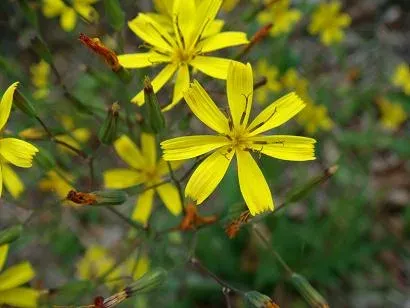
Description
Sowing dates
Ixeridium beauverdianum is a perennial herbaceous plant belonging to the Asteraceae family. Known for its resilience, it establishes itself well in various agricultural environments when given proper care.
Sowing should take place in early spring once soil temperatures reach 8–10 degrees Celsius. In regions with harsher climates, seed stratification may be required to achieve optimal germination rates.
Seeds should be planted at a shallow depth of 1–2 centimeters, ensuring sufficient contact with moist soil. Maintaining steady humidity levels during the first two weeks is crucial for uniform crop establishment.
The plant initially develops a basal rosette of leaves, which serves as a sturdy foundation for subsequent growth. Following this phase, the plant begins to expand, showing moderate growth rates in its first year.
Row spacing is typically kept between 30 and 45 centimeters, allowing for mechanical weeding and adequate airflow between plants to prevent the onset of humidity-related issues.
Growing requirements
This crop thrives in fertile, well-drained loamy soils. Avoiding waterlogged areas is essential, as the plant's roots are sensitive to excess moisture and lack of aeration in the soil profile.
Soil pH should ideally be neutral or slightly acidic. Proper site preparation, including deep tilling and the incorporation of organic matter, significantly improves the establishment of the root system.
Ixeridium beauverdianum requires full sun exposure for optimal biomass production. While it can withstand partial shade, significant reductions in growth rate and plant vigor are usually observed.
The plant is relatively drought-tolerant once established due to its deep root structure, but supplemental irrigation during prolonged dry spells is recommended to maximize total yields.
Consistent soil management and the control of soil compaction help in sustaining the plantation over its productive lifespan, ensuring roots can penetrate deeply to access nutrients.
Yield
The primary agricultural use of Ixeridium beauverdianum lies in its potential as a forage crop. Its nutrient profile makes it a viable candidate for enhancing the diet of livestock.
Annual yields are influenced by the number of cuts performed during the growing season, typically ranging from two to three harvests depending on local climatic conditions and water availability.
Harvesting is ideally timed at the onset of the budding phase to ensure the highest levels of protein and digestibility. Post-harvest management, including drying, is essential to maintain quality.
Application of balanced mineral fertilizers, particularly nitrogen during the regrowth phase, can increase biomass production by up to 30%, optimizing the economic output of the field.
A typical plantation remains productive for 4 to 6 years before natural thinning necessitates field renovation. Strategic crop rotation is advised to maintain soil fertility.
Main diseases and pests
Typical threats include fungal pathogens such as powdery mildew, which can develop during periods of high humidity. Preventive measures involve maintaining proper spacing to ensure adequate ventilation.
Pests like aphids can pose a significant challenge, especially in the spring, by feeding on young leaf tissue and potentially weakening the plants' overall health and vigor.
Integrated pest management strategies should focus on monitoring and early intervention. Rotating crops and avoiding monoculture practices helps interrupt the life cycles of common plant pathogens.
Weed competition is particularly critical during the first year of growth. Once the crop is fully established, it becomes more competitive, but early maintenance remains essential for success.
- Regular field scouting for early pest detection.
- Strategic use of fungicides only under significant disease pressure.
- Removal of infected plant debris after the final harvest of the season.