
Mauritia flexuosa
Mauritia flexuosa L. f.
Description
Growing requirements
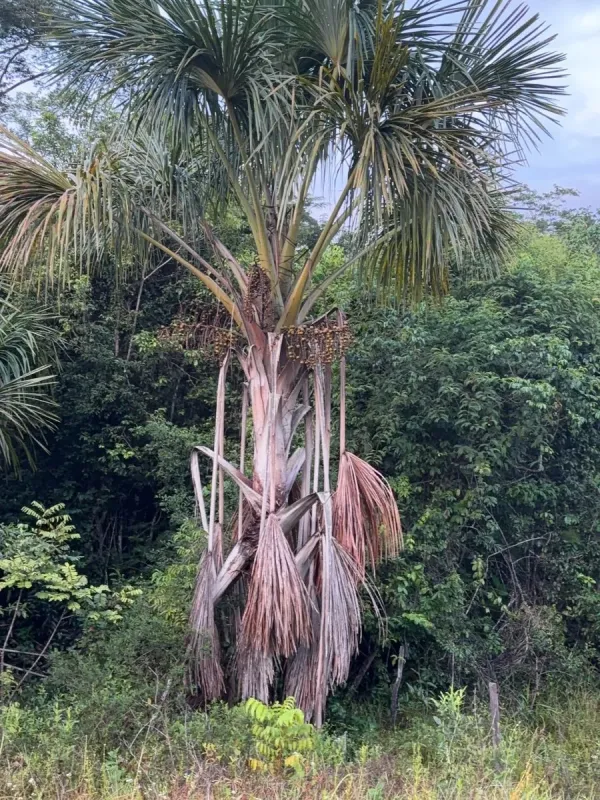
Mauritia flexuosa, commonly known as the Moriche palm, is a member of the Arecaceae family. It is a dominant species in the swampy ecosystems of South America, specifically in the Amazon and Orinoco basins, where it thrives in water-saturated soils.
The species requires a strictly tropical climate characterized by high humidity and consistent warmth throughout the year. It lacks cold tolerance and is highly dependent on continuous access to groundwater for its metabolic processes.
Botanically, this palm is distinguished by its large, fan-shaped leaves and tall, stout trunk. Its root system is adapted to anaerobic soil conditions, making it an essential plant for stabilizing wetland environments.
Agricultural requirements focus on maintaining high soil moisture levels. In cultivation, it is crucial to ensure that planting sites do not dry out, as the species has limited drought resistance compared to other palm varieties.
The economic importance of Mauritia flexuosa is multifaceted. Its fruits are highly nutritious, containing significant levels of vitamins and healthy fats, while its leaves provide fibers utilized in traditional handicrafts and construction.
Main diseases and pests
The most significant pests affecting Moriche palm populations are palm weevils, particularly those that bore into the trunk or the apical meristem, which can effectively kill the palm.
Fungal pathogens associated with root rot can become prevalent if water circulation is stagnated or if the chemical balance of the swampy environment is disrupted by environmental pollution.
Over-harvesting of fruits, often accompanied by destructive methods such as felling trees, remains a major threat to the long-term sustainability of the species in various regions.
Herbivory by rodents and various birds can significantly impact the survival rate of young seedlings, often necessitating the use of protective netting in managed cultivation settings.
Effective management includes maintaining biodiversity around the palm stands and utilizing sustainable harvesting practices to ensure that the ecological balance of the wetland is preserved.