
Isotropis atropurpurea
Isotropis atropurpurea
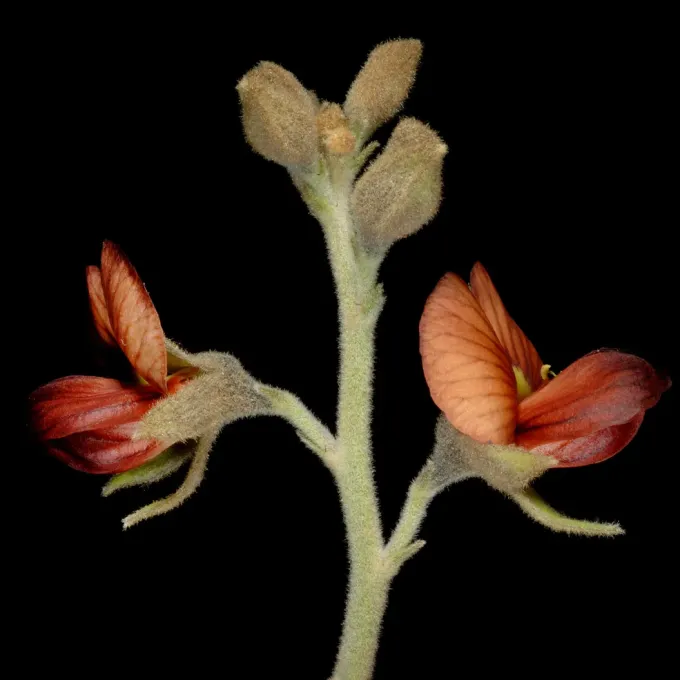
Description
Growing requirements
Isotropis atropurpurea is a distinct species within the legume family (Fabaceae), naturally occurring in the diverse landscapes of Australia. It belongs to a genus known for its biological adaptation to harsh and nutrient-poor environments.
The plant thrives in well-drained soil profiles, particularly favoring sandy textures that prevent water stagnation. As a xerophytic-inclined plant, it demonstrates significant resilience during seasonal droughts typical of its native range.
Optimal growth requires high exposure to sunlight, as the species is essentially an open-habitat plant. It is highly sensitive to soil compaction and waterlogging, which often serve as limiting factors for its survival in non-native soil types.
The plant features distinct purple flowers and specialized foliage that characterize its morphology. As a legume, it possesses the innate ability to interact with soil microbiota, although its performance is strictly tied to specific local conditions.
Agriculture experts warn that Isotropis atropurpurea is not a suitable forage crop. The presence of toxic alkaloids in its stems and leaves can cause severe poisoning in livestock, meaning it must be managed carefully in grazing areas.
Main diseases and pests
The primary threat to the stability of this species is root rot, which typically develops in conditions of poor soil aeration and excessive rainfall.
Pests such as aphids and leaf-eating beetles represent a constant challenge, significantly impacting the aesthetic and biological state of the foliage during the growing season.
Invasive grasses often outcompete this species for resources, especially during the early germination phase, requiring manual intervention in managed environments.
Changes in soil pH can disrupt the delicate balance required for nutrient absorption, leading to stunted development of the plant structure.
Insufficient data on large-scale cultivation means that any attempt to integrate this plant into farm ecosystems faces high risks related to pest vulnerability and soil compatibility.