
Iphiona scabra
Iphiona scabra
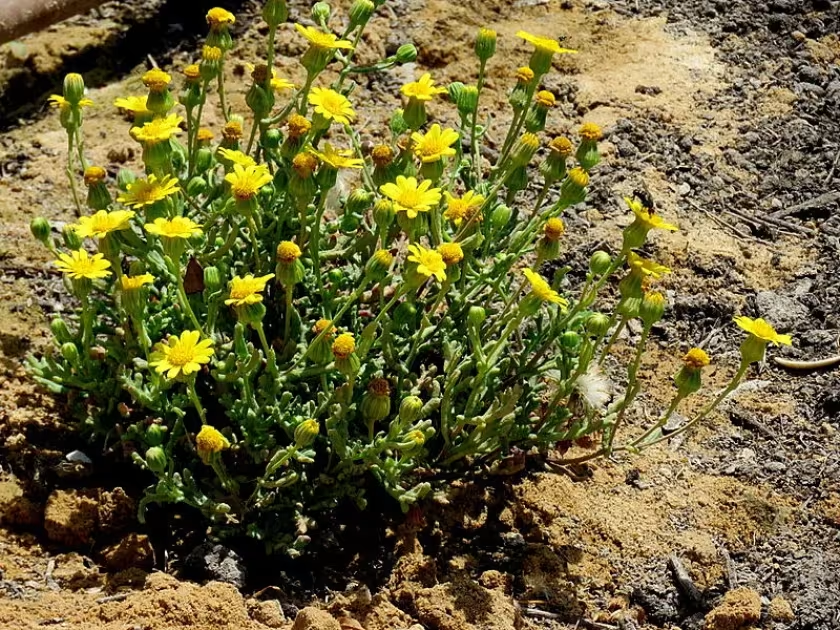
Description
Growing requirements
Iphiona scabra is a resilient perennial subshrub belonging to the Asteraceae family. This species is native to the arid regions of the Middle East, specifically adapted to survive in harsh, water-scarce environments where few other plants can thrive.
The plant exhibits remarkable xerophytic characteristics, allowing it to flourish in sandy or stony soils with low nutrient content. It requires high solar radiation and thrives best in open, sun-drenched locations where soil drainage is exceptional.
Agricultural success with Iphiona scabra depends on mimicking its natural habitat. The soil must be well-drained, as the root system is highly sensitive to waterlogging, which often leads to root rot and rapid plant decline.
Temperature requirements are high, as the species is adapted to intense heat. It does not possess strong frost tolerance, so it is primarily suited for warmer climatic zones where the growing season remains free of hard freezes.
Botanically, the plant is distinguished by its scabrous (rough) stems and foliage, which are covered in fine hairs to reduce transpiration. This morphological trait helps the plant maintain internal moisture balance during peak daylight temperatures.
Main diseases and pests
The primary threat to Iphiona scabra in cultivation is poor soil management, specifically excessive irrigation. Water retention in the root zone is the most common cause of fungal infections, leading to irreversible plant loss.
Pests, such as aphids, can occasionally infest the growing tips during the vegetative phase. These insects feed on the sap, weakening the plant and potentially stunting the development of flower buds if left uncontrolled.
Fungal diseases like powdery mildew may appear during periods of high humidity. To prevent these issues, it is essential to ensure proper air circulation around the plants and to avoid overhead watering methods that wet the foliage.
Soil-borne nematodes can pose a risk in certain environments, causing physical damage to the root system and reducing the plant's ability to take up nutrients. Pre-planting soil sterilization or crop rotation is recommended to mitigate these risks.
Integrated pest management (IPM) is the most sustainable approach for maintaining the health of Iphiona scabra crops. Reducing the reliance on broad-spectrum pesticides helps preserve the natural ecosystem and health of the plant.