
Iodina rhombifolia
Iodina rhombifolia
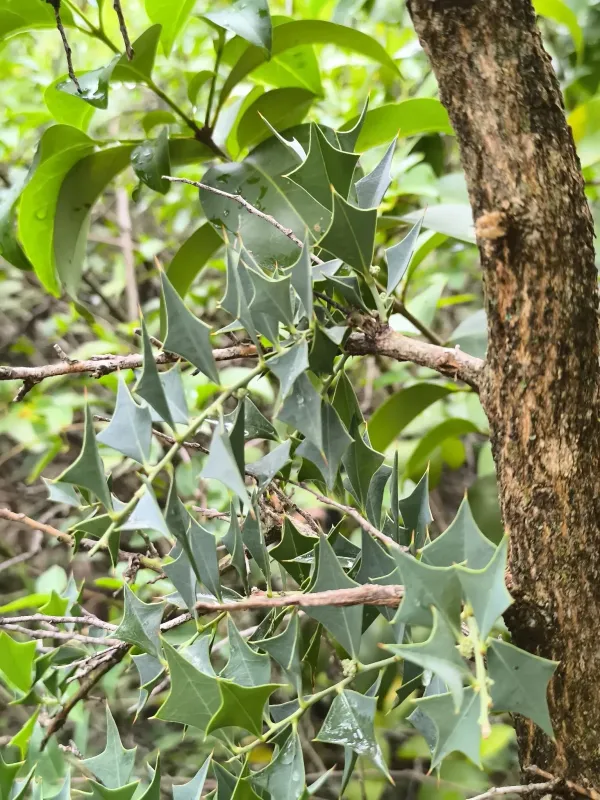
Description
Growing requirements
Iodina rhombifolia, known as the shadow-tree or simply by its botanical name, is a member of the Santalaceae family. Native to South America, particularly regions of Argentina and Uruguay, this evergreen tree is valued for its unique foliage and resilient wood.
The plant thrives in well-drained, fertile soils. While it can survive in various soil types, loamy and sandy compositions provide the best environment for root development and nutrient uptake in commercial settings.
Sunlight exposure is crucial for Iodina rhombifolia. It is a heliophilous species that requires full sun to maintain its dense canopy and structural integrity throughout its lifecycle.
Temperature requirements are generally focused on temperate to subtropical ranges. It possesses a moderate tolerance to cold but should be protected from prolonged frost, which can cause significant damage to young growth.
Efficient management involves consistent irrigation practices during the establishment phase, transitioning to moderate watering as the tree matures. Adequate spacing between individuals is essential to promote airflow and prevent moisture buildup.
Main diseases and pests
Pests such as scale insects are common adversaries for this species. These insects attach themselves to the stems and leaves, extracting sap and potentially introducing secondary viral or fungal infections.
Fungal diseases, including leaf spot and root rot, pose the greatest threat to agricultural health. Proper sanitation and avoiding waterlogged soil conditions are the primary methods of preventing such outbreaks.
Root system health should be prioritized, as any damage from nematodes can lead to reduced vigor and stunted growth. Periodic soil analysis is recommended to ensure the substrate remains balanced and free of pathogenic organisms.
Invasive species and competing weeds can threaten young Iodina plantations. Implementing a strict weed control program during the first few years is vital to reduce competition for light and soil minerals.
Early detection of abnormalities through regular field scouting allows for targeted intervention. Utilizing integrated pest management (IPM) strategies remains the most sustainable approach to maintaining tree health.