
Chaga mushroom
Inonotus obliquus (Fr.) Pilát
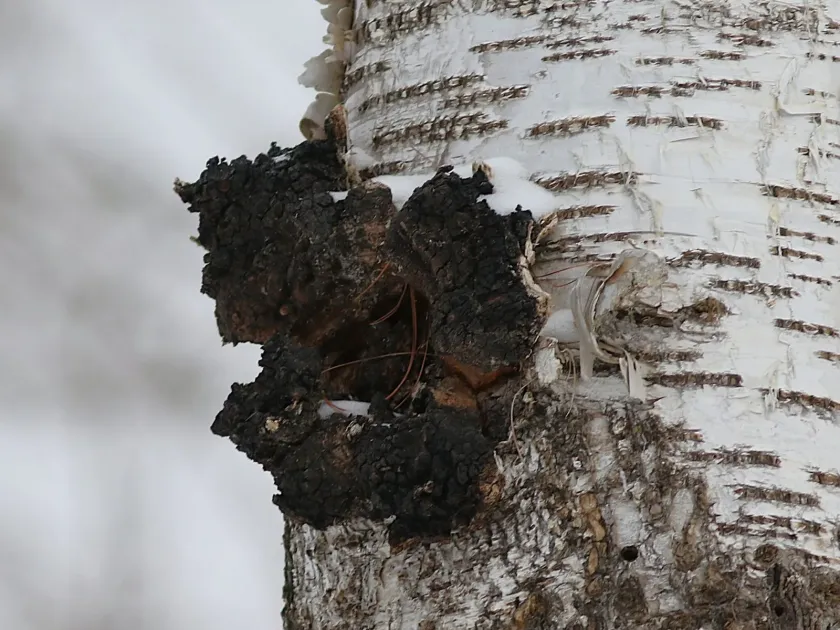
Description
Sowing dates
Chaga (Inonotus obliquus) is a parasitic fungus belonging to the Hymenochaetaceae family, which is not cultivated in traditional agricultural settings.
The life cycle begins when spores enter the birch tree through mechanical damage, such as broken branches, frost cracks, or wounds in the bark.
The incubation period for the formation of a visible sterile conk can last for several years, making controlled cultivation extremely difficult.
Natural inoculation occurs throughout the year, but active spore germination is favored by high humidity and temperate weather conditions.
Currently, there is no large-scale commercial sowing of chaga; production relies entirely on wild harvesting from forest ecosystems.
Growing requirements
The primary host for this fungus is the birch tree, although it can occasionally be found on alder, rowan, or maple trees.
Successful mycelium development requires high atmospheric humidity, which is why chaga is mostly prevalent in taiga and northern forest regions.
The ideal climatic environment includes moderately cold winters and a consistent supply of moisture throughout the growing season.
Chaga favors middle-aged to older forest stands where birch bark is susceptible to natural aging and structural degradation.
Soil conditions must support the vitality of the host tree, as weakened trees are more prone to successful infection by the fungus.
Main diseases and pests
The major long-term threat is the eventual structural failure and decay of the host birch tree, typically occurring 10–20 years after infection.
The conk itself can be infested by wood-boring insects, which create galleries within the fungus and significantly degrade the quality of raw material.
Intra-stem competition from other bracket fungi can inhibit the growth and development of the chaga conk.
Environmental factors like wildfires and clear-cutting represent severe risks to the availability of natural chaga populations.
Pollution, particularly the accumulation of heavy metals from soil and air, can render the fungal tissue toxic and unsuitable for human use.
Harvesting
Harvesting involves removing the hard, black conk from the birch trunk using a sharp hatchet or a heavy-duty knife.
The optimal time for harvesting is during the cold months, specifically late autumn, winter, or early spring, when active compound levels peak.
Only the charcoal-like outer layer with the characteristic dark-brown inner context should be collected, avoiding areas with rot.
After collection, the material is cleaned of debris, bark, and wood, then broken into smaller, manageable chunks for proper drying.
Drying is performed in controlled facilities at temperatures not exceeding 50–60 degrees Celsius to preserve the medicinal potency of the extract.